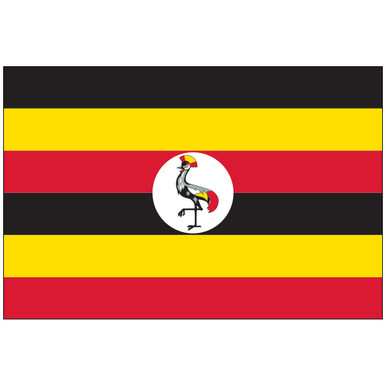
Ugandan President Yoweri Museveni was sworn in on Tuesday for another five-year term, extending his rule to nearly 40 years and deepening questions over the country’s political future and possible succession.
Museveni, 81, took the oath of office at Kololo Ceremonial Grounds in Kampala before thousands of supporters, formally beginning a term that runs from 2026 to 2031. His inauguration followed a disputed January election in which he secured another victory over opposition challengers, including longtime rival Bobi Wine.
The ceremony featured a military parade overseen by Museveni’s son, Gen. Muhoozi Kainerugaba, Uganda’s army chief and a figure widely viewed as a possible successor. Russian-made Sukhoi fighter jets flew over the capital during rehearsals and ceremonial activities, underscoring the military’s central place in Uganda’s political order.
Museveni first came to power in 1986 after leading a guerrilla movement that promised to restore order following years of dictatorship, coups and civil war. Four decades later, he remains one of Africa’s longest-serving leaders, credited by supporters with bringing stability and infrastructure development, but accused by critics of entrenching authoritarian rule, weakening institutions and repressing opposition.
The latest term may be Museveni’s last, but not necessarily the end of his family’s influence. Muhoozi, 51, has become increasingly visible in state and military affairs, fuelling speculation that the president is preparing a dynastic transition. The general’s supporters have promoted him as a future leader, while critics warn that a handover within the Museveni family would further undermine democratic competition.
Many Ugandans have known no leader other than Museveni. For younger citizens, his long rule has shaped every aspect of political life, from elections and policing to military influence and access to power.
The opposition continues to accuse the government of intimidation, arrests and manipulation of the electoral process. Museveni and his ruling National Resistance Movement reject those claims, insisting that his repeated victories reflect public confidence in his leadership.
As he begins another term, the central question is no longer only how long Museveni will remain in power, but how Uganda will manage the transition when his rule finally ends.