President Bola Tinubu has claimed that powerful interests benefiting from fuel subsidy payments and foreign exchange distortions have threatened his life over ongoing economic reforms introduced by his administration.
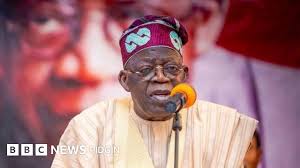
Speaking at the 32nd anniversary of the National Democratic Coalition (NADECO) in Lagos, Tinubu said entrenched groups opposed to the removal of petrol subsidy and the unification of the foreign exchange market were determined to frustrate his government’s reform agenda.
According to the President, the policies were necessary to stabilise Nigeria’s economy despite the political and personal risks involved.
“Those who benefited from the old subsidy regime and multiple exchange rates are angry because the system no longer favours them,” Tinubu said. “Some of these cabals even want me dead, but we cannot continue to mortgage the future of this country.”
Tinubu maintained that the reforms were designed to redirect national resources toward infrastructure, education, healthcare and social development rather than sustaining what he described as wasteful spending.
The President acknowledged that the measures had increased hardship for many Nigerians but insisted they were unavoidable to prevent economic collapse. He urged citizens to remain patient, assuring that the government was implementing programmes aimed at cushioning the impact of inflation and rising living costs.
Reflecting on the struggle for democracy, Tinubu praised NADECO members for their sacrifices during military rule and said the coalition played a vital role in restoring democratic governance in Nigeria.
“NADECO stood firmly for justice, democracy and the rule of law at a difficult period in our history,” he stated, adding that the country must continue to defend democratic values and institutional accountability.
Several pro-democracy activists and political figures who attended the event called on the Federal Government to ensure that economic reforms translate into tangible improvements in citizens’ welfare.
The removal of fuel subsidy and the adoption of a market-driven exchange rate system remain among the most controversial policies introduced by the Tinubu administration since assuming office in 2023. While government officials argue the reforms are necessary for long-term stability, critics blame them for worsening inflation, increasing transportation costs and deepening economic hardship.
Despite mounting criticism, Tinubu reiterated that his administration would not reverse the policies, insisting that difficult decisions were required to secure Nigeria’s economic future.