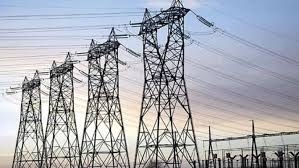
For decades, Nigeria’s electricity sector has stood as one of the country’s deepest contradictions: a gas-rich nation with vast renewable potential, yet one where homes, factories and hospitals still endure chronic blackouts. More than a decade after the 2013 privatisation of generation and distribution assets, the sector remains trapped by weak infrastructure, poor market discipline, fuel shortages and a grid too fragile to support a modern economy. Reuters reported in February 2026 that gas-fired plants were receiving only about 43% of the fuel they needed, cutting generation to roughly 4,300 megawatts and forcing widespread load shedding.
If Nigeria is serious about ending this crisis, reform must move beyond temporary fixes and confront the system’s structural weaknesses. One of the most important shifts already under way is the gradual move away from a single, over-centralised market toward a more decentralised electricity framework. The Electricity Act 2023 opened the way for state-level regulation and subnational electricity markets, and in March 2026 the Nigerian Electricity Regulatory Commission said it had inaugurated a new forum with state regulators as part of the transition to a “multi-level” electricity market. That direction should be accelerated. A decentralised, cluster-based system built around mini-grids, embedded generation and regional supply hubs would reduce the risk that one disturbance can trigger cascading national outages.
The sector’s liquidity crisis is equally urgent. Nigeria’s power market is weighed down by mounting debts between DisCos, GenCos and gas suppliers, while tariff politics and subsidy arrears continue to distort investment incentives. Reuters reported that sector debt had climbed to about 6 trillion naira by February 2026, even after government intervention. At the consumer end, NERC’s latest quarterly reporting shows that billing and metering complaints remain among the most common grievances, reinforcing the case for universal metering and a tariff system that is cost-reflective but paired with targeted support for vulnerable households and small businesses.
Nigeria also cannot solve its electricity problem without securing gas supply and modernising transmission. Thermal plants will keep underperforming if domestic gas obligations are weakly enforced or if pipelines remain vulnerable to disruption. At the same time, transmission remains a critical bottleneck. Reuters has noted that the country generates only a fraction of its installed capacity partly because the network is old, overstretched and prone to collapse. The long-delayed deployment of a functional SCADA system and broader grid automation is not optional; it is essential for real-time monitoring and frequency control.
Finally, Nigeria must diversify its power mix more aggressively. The World Bank-backed Distributed Access through Renewable Energy Scale-up project is already supporting mini-grid and solar expansion, while Nigeria’s National Energy Compact targets a much larger renewable share in generation and faster electricity access growth. In a country with severe supply gaps and vast solar resources, embedded renewable generation is no longer a side project. It is a national necessity. Fixing power in Nigeria will require political courage, regulatory discipline and sustained investment, but above all it will require a clear decision to stop managing failure and start rebuilding the system from its foundations.