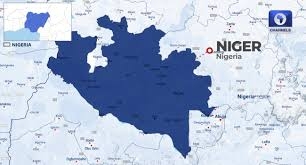
A devastating boat accident has claimed 27 lives in Gausawa, along the Malale–Kainji Lake route in Borgu Local Government Area of Niger State. The incident occurred on Tuesday morning, leaving families and the community in deep mourning.
According to eyewitness accounts, the tragedy struck around 11:49 a.m., while help arrived much later when the National Inland Waterways Authority (NIWA) rescue team reached the scene at about 1:33 p.m.
The ill-fated wooden boat, carrying about 138 passengers, capsized along the Shagunu–Dunga axis on Kainji Lake. However, thanks to the use of life jackets, a significant number of passengers were saved. Rescue officials confirmed that 46 men, 58 women, and several children survived the mishap.
Nevertheless, the loss was heavy. So far, 27 bodies have been recovered — eight on Monday and another 19 on Tuesday.
“The wooden boat sank but has since been removed, while rescue efforts are still ongoing,” said Akapo Adeboye, Manager of NIWA Niger-Kwara Area office.
Transitioning to the rescue operation, officials disclosed that the intervention was coordinated by NIWA’s New Bussa Substation Office, with strong support from NIWA River Marshalls, the Nigerian Shipowners Forum on Waterways (NIGSBOFWA), security agencies, and community leaders. Adeboye added that this collaboration has strengthened safety measures aimed at preventing similar disasters.
Furthermore, local community leaders and boat operators have promised to work hand in hand with NIWA to enhance water transport safety and reduce future risks.
Sadly, this tragedy is not an isolated case. In fact, it adds to a worrying trend of recurring boat accidents across Nigeria. For instance, in August, rescue workers in Sokoto were searching for over 40 people after another market-bound boat capsized on August 17.
“About 10 persons have been rescued, while more than 40 passengers remain missing,” the National Emergency Management Agency (NEMA) confirmed at the time.
Similarly, in August 2024, 16 farmers lost their lives in Sokoto when their wooden canoe overturned as they headed to their rice fields. Just weeks later, on July 29, six girls drowned in Jigawa State when their boat capsized midstream after farm work. Even before that, at least 13 people had died in another Niger State boat accident two days earlier.
Clearly, these recurring tragedies highlight the urgent need for stricter safety measures and effective enforcement to protect lives along Nigeria’s waterways.