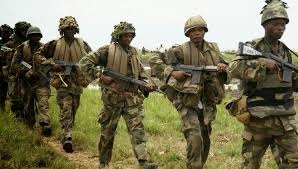
Haiti has completed an eight-week basic training program in Mexico for 143 military recruits—15 women and 128 men—as the country seeks to rebuild its defense capacity amid spiraling insecurity at home. Guided by the Mexican Army, the curriculum covered self-defense, firearms handling, and human rights, reflecting an emphasis on both operational readiness and lawful conduct.
“This investment benefits not only the Armed Forces of Haiti but also Haitian society as a whole,” said Hubert Labbe, Haiti’s ambassador to Mexico. “The skills and knowledge acquired will be fundamental in fostering national development, strengthening the rule of law, and promoting a more peaceful and secure environment in Haiti.”
The initiative comes as Haiti grapples with a profound security and governance crisis following the 2021 assassination of President Jovenel Moïse. Armed gangs have since expanded rapidly, with estimates indicating they control roughly 90% of Port-au-Prince. The beleaguered Haitian National Police—short on personnel, equipment, and funding—has struggled to contain the violence, prompting Haitian authorities to pursue parallel tracks: reviving the country’s small armed forces and seeking assistance from regional partners.
Mexico’s support underscores a regional approach to Haiti’s stability, complementing broader international efforts that have faced delays and uneven commitments. While the new cohort will not by itself alter the balance of power in the capital, officials hope it will seed a professionalized, rights-aware force that can integrate with police operations, protect critical infrastructure, and support future stabilization missions.
Haitian and Mexican officials say more joint training cycles are under discussion, part of a longer-term strategy to restore public order, protect civilians, and create conditions for political normalization and economic recovery.