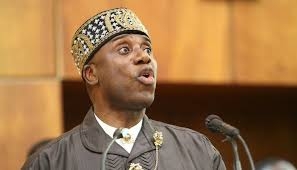
Former Kaduna State Governor Nasir Ahmad El-Rufai has defended his decision to remain silent during questioning by the Independent Corrupt Practices Commission (ICPC), describing the probe as politically motivated.
In two handwritten statements submitted on 19 and 20 February 2026 while in ICPC custody, El-Rufai, represented by his lawyer Ubong E. Akpan, framed his silence as both a constitutional right and a protest against what he called a partisan investigation. He emphasized that he would address any allegations only in a court of law.
El-Rufai may be released on Thursday if the ICPC does not file charges before the expiration of his 14-day court-approved remand, set to lapse on 5 March 2026.
In his first statement, El-Rufai outlined his educational and professional background, noting his roles as Director General of the Bureau of Public Enterprises (1999–2003), Minister of the Federal Capital Territory (2003–2007), and two-term Governor of Kaduna State (2015–2023). He highlighted his continued involvement in the African Democratic Congress (ADC), describing it as a key reason for the investigation.
He wrote: “In response to your questions, I have, on the advice of counsel, decided to exercise my right to silence. I will respond to any allegations in a court of law only… I do not believe these investigations amount to lawful entitlement, as in political persecution, which only a judge can decide upon.”
In his follow-up statement, El-Rufai reiterated his position, reserving his right to silence regarding additional documents or questions until they are presented in court.
This stance underscores El-Rufai’s insistence that the ICPC’s probe is politically influenced, reflecting the former governor’s broader concerns about the treatment of opposition figures in Nigeria.