BRUSSELS, BELGIUM — More than 100 people have been detained after violent clashes erupted between protesters and police in Belgium’s capital, Brussels, as approximately 30,000 demonstrators marched against government spending cuts, rising living costs and proposed economic reforms. The demonstrations, held on Friday, October 9, were organised by Belgium’s two major trade unions, FGTB-ABVV and CSC-ACV, amid growing public opposition to Prime Minister Bart De Wever’s austerity programme.
Workers, pensioners, students and civil society groups joined the nationwide mobilization, warning that proposed budget reductions could disproportionately affect ordinary households while protecting wealthier citizens. Union leaders criticized potential changes to wage indexation, value-added tax and pension arrangements, arguing that such measures would further weaken purchasing power.
They demanded greater contributions from high-income earners and stronger protections for vulnerable families. The demonstration initially unfolded peacefully, with thousands carrying banners, chanting slogans, playing music and marching through central Brussels.
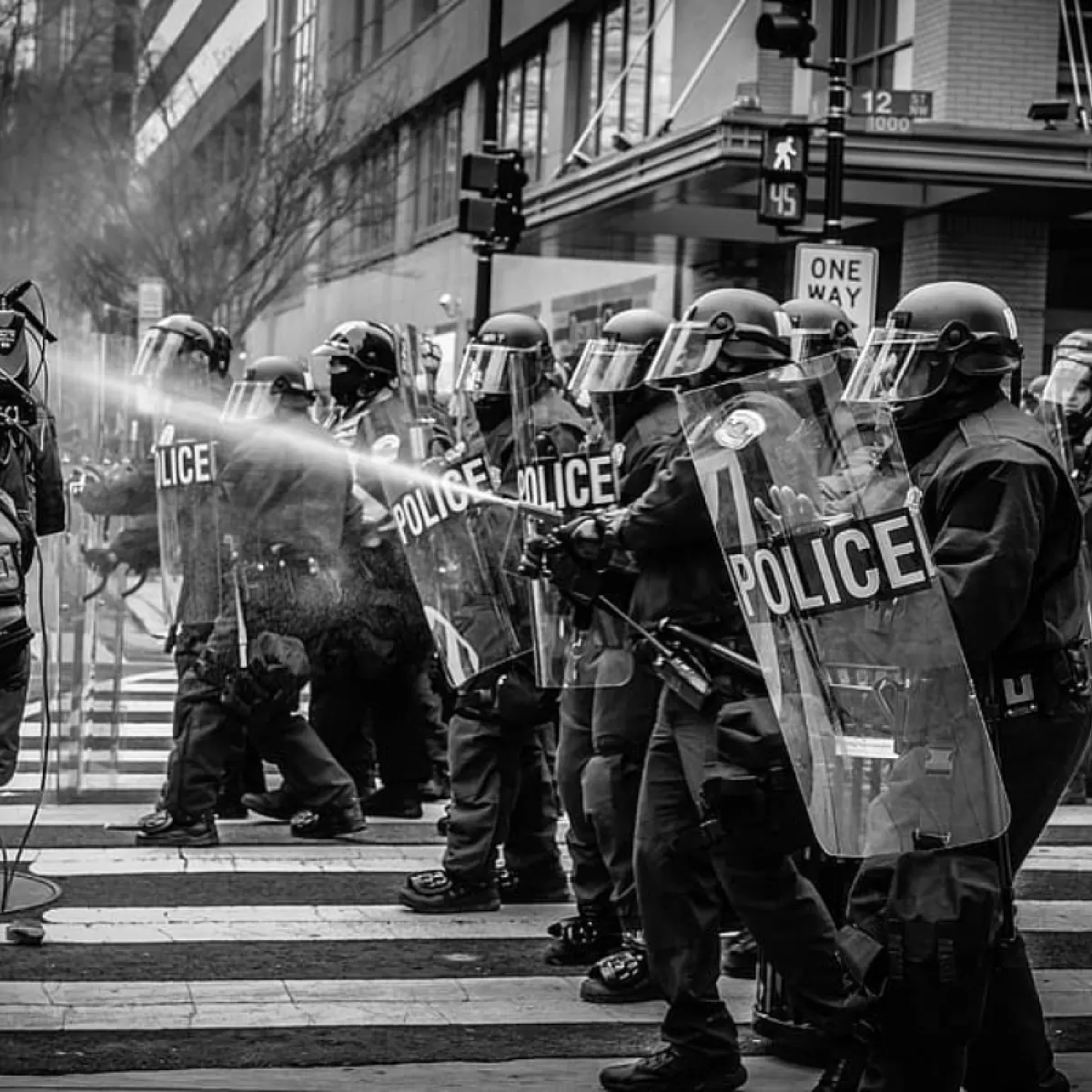
However, tensions escalated near Brussels-Midi railway station when groups of masked individuals reportedly began throwing stones, fireworks and other objects at security personnel. Riot police responded with water cannon, tear gas and baton charges as confrontations spread to surrounding streets. Some demonstrators reportedly threw tear gas canisters back towards officers, while others set fires and damaged public property. Additional police units were deployed, supported by a helicopter, as authorities attempted to restore order.
Police initially confirmed 21 detentions, including 13 minors, before the figure increased to more than 100 by Friday evening. Authorities reported approximately 30 judicial arrests and 80 administrative detentions. Despite the unrest, police emphasised that the violence occurred separately from the principal trade-union procession, which remained peaceful. No confirmed casualty figures were immediately available.
Meanwhile, students protesting education cuts, rising tuition fees and deteriorating school conditions joined the demonstrations, expressing fears that government reforms could make higher education increasingly unaffordable. The unrest comes as Belgium’s coalition government struggles to finalise its 2027 budget amid mounting public debt.
De Wever’s administration is seeking billions of euros in savings to address the country’s financial challenges, arguing that fiscal reforms are necessary for long-term stability.
Trade unions insist the proposals risk widening inequality and worsening household hardship. With budget negotiations approaching a critical deadline, Friday’s protests underscore growing tensions between the government and citizens demanding greater economic fairness.