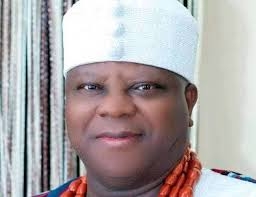
A United States federal court has sentenced Oloyede, a traditional monarch from Osun State, Nigeria, to a prison term over his involvement in a $4.2 million COVID-19 relief fraud scheme. The ruling, delivered this week, underscores how international authorities continue to crack down on pandemic-related fraud cases that exploited global financial aid programs.
According to prosecutors, Oloyede and his accomplices orchestrated a sophisticated scam targeting U.S. COVID-19 relief funds intended to support vulnerable citizens and small businesses. Transitioning from legitimate aid applications to fraudulent claims, the group allegedly used stolen identities and fabricated documents to secure millions of dollars in relief payments.
Investigators revealed that the scheme involved multiple transactions across banks, shell companies, and digital platforms. The funds, once disbursed, were quickly laundered through international accounts, making recovery difficult. However, U.S. authorities, working with financial crime experts, traced significant sums back to Oloyede, leading to his arrest and conviction.
During sentencing, the presiding judge condemned the actions as a betrayal of public trust at a time when millions were struggling with the health and economic effects of the pandemic. The court emphasized that the crime not only deprived genuine beneficiaries of essential relief but also damaged the credibility of emergency support systems.
In response, legal analysts note that the case serves as a warning about the global reach of cyber-enabled financial fraud. Transitioning from national to international dimensions, the scam highlights how fraud networks exploit loopholes across borders, making cooperation between governments increasingly vital.
The Nigerian community in the U.S. has expressed shock and disappointment at the monarch’s conviction, stressing that his actions do not reflect the values of the wider diaspora. Meanwhile, in Nigeria, civil society groups are urging authorities to intensify monitoring of traditional and political leaders who may be linked to financial impropriety.