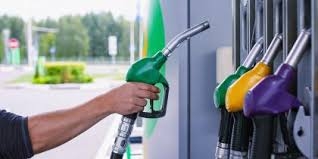
In a major development affecting Nigeria’s downstream petroleum sector, Dangote Refinery and other key fuel marketers have adjusted the petrol depot price to N823 per litre, citing rising international crude prices and increased importation costs as primary factors.
The price revision, confirmed by industry sources on Monday, comes as global oil benchmarks surge past $90 per barrel, pushing up the landing cost of refined products. According to insiders, the new rate reflects the economic realities facing operators, including foreign exchange volatility, high shipping charges, and logistics bottlenecks.
While the Nigerian Midstream and Downstream Petroleum Regulatory Authority (NMDPRA) has yet to issue a formal statement, depot owners and independent marketers have begun implementing the new pricing structure, which is already trickling down to retail pump stations across major cities.
This upward adjustment represents a sharp departure from previous depot prices averaging between N600 and N670 per litre, and has reignited concerns over affordability and inflation, especially among transport operators and small businesses.
Economists warn that the hike will likely impact the cost of living, as fuel remains central to Nigeria’s transportation and production sectors. Commuters are already witnessing fare increases in urban areas like Lagos, Abuja, and Port Harcourt.
In response, industry stakeholders are urging the federal government to stabilize the naira, support domestic refining capacity, and streamline supply chain inefficiencies. The Dangote Refinery, touted as Africa’s largest, is expected to play a critical role in easing fuel import dependency—though its full-scale petrol production is still ramping up.
As Nigerians brace for the economic ripple effects, the latest price adjustment underscores the urgent need for a sustainable energy pricing framework that balances investor confidence with consumer protection.