Scientists at the University of Rochester have identified a possible explanation for the long-observed gender gap in autism and ADHD diagnoses: developing male brains appear significantly more vulnerable to a widely used class of industrial chemicals known as PFAS, or “forever chemicals.” The study focused on PFHxA, a specific PFAS variant found in common products such as fast-food wrappers and stain-resistant fabrics. Despite being marketed as a “safer” alternative to banned PFAS compounds, PFHxA showed troubling effects in lab experiments.
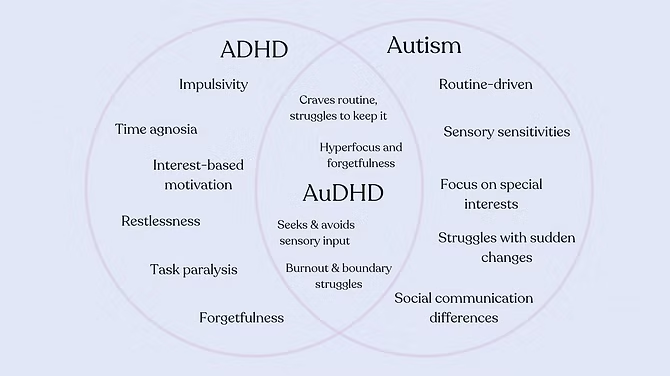
Male baby mice exposed in utero and through breast milk to PFHxA displayed behaviors resembling autism and ADHD, including:
- Hyperactivity
- Increased anxiety
- Memory problems
Female mice, however, remained largely unaffected, underscoring the sex-specific neurological risk.
Lead researcher Prof. Elizabeth Plunk called the findings “concerning,” noting that they mirror real-world gender disparities in neurodevelopmental disorders. Even years after exposure, the male mice continued to show altered behavior, indicating potentially permanent developmental impacts. This discovery comes amid rising autism and ADHD diagnoses worldwide, prompting renewed concern over chemical exposure in early development. PFAS chemicals—known for their persistence in the environment and human tissue—have been linked to various health issues, but their impact on neurodevelopment is only beginning to be understood.
The study adds weight to calls for tighter chemical regulations, with experts urging policymakers to prioritize research on how substances like PFHxA affect the developing brain, especially in children. As the Environmental Audit Committee prepares to propose new PFAS safety standards, researchers stress the need to reassess what’s truly “safe”—especially for the most vulnerable populations.