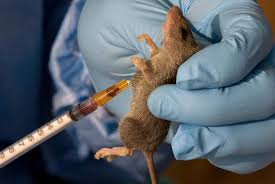
Nigeria’s Centre for Disease Control and Prevention (NCDC) has called for stronger state-level action as Lassa fever infections continue to spread during the peak dry-season transmission period, warning that weak infection-prevention practices and gaps in surveillance are fuelling the outbreak. Lassa fever, caused by the Lassa virus, is endemic in parts of West Africa and typically surges between November and May. According to the NCDC’s latest update covering the week ending February 15, Nigeria had recorded 326 confirmed cases and 75 deaths so far this year, including infections among healthcare workers. The agency said at least 18 states had reported cases, with the highest burden concentrated in Bauchi, Ondo, Taraba and Edo.
The NCDC blamed part of the continuing spread on poor infection prevention and control (IPC) practices in health facilities, including inadequate access to personal protective equipment (PPE) and lapses that can lead to transmission in outpatient and maternity wards. It also flagged weaknesses in contact tracing and “active case search,” warning that delays in identifying and isolating cases can accelerate community transmission. Lassa fever is primarily transmitted to humans through exposure to food or household items contaminated with urine or faeces of infected rodents, but it can also spread person-to-person through direct contact with the bodily fluids of an infected individual—particularly in healthcare settings without strict IPC measures.
The health agency also warned that stigma and misinformation are discouraging some people from seeking early care, increasing the risk of severe illness and death. It urged state governments to release outbreak-response funds to strengthen surveillance, logistics and community sensitisation, while stressing strict adherence to standard precautions, continuous PPE supply, improved rodent control and safer food storage practices. Lassa fever is a viral haemorrhagic illness in the same broad category of severe febrile diseases as Ebola and Marburg. While many infections are mild or asymptomatic, severe cases can involve bleeding and multi-organ complications, especially when treatment is delayed.
There is currently no licensed vaccine for Lassa fever, though multiple candidates are in clinical development, including early-stage trials reported in late 2025.