Kinshasa — An Ebola outbreak in the Democratic Republic of Congo (DRC) has expanded to 57 total cases—47 confirmed and 10 probable—as of September 21, 2025, with 35 deaths reported, officials said. The overall case fatality ratio (CFR) stands at 61.4%, underscoring the severity of the flare-up, which remains concentrated in six health areas: Bambalaie, Bulape, Bulape Communautaire, Dikolo, Ingongo, and Mpianga.
Health authorities confirmed that five health workers are among the infected, highlighting continued risks to frontline staff. Patients range from infants to age 65, with children 0–9 years accounting for 23% of all cases. Women make up 61% of infections, with a 56% CFR among females compared with 73% among males. Identified high-risk groups include children, housekeepers, and farmers, reflecting likely exposure patterns in households and agricultural settings.
The Africa CDC last week cited at least 16 deaths and 68 suspected cases since the outbreak was first announced earlier this month in Bulape, signaling ongoing case finding and reclassification as laboratory confirmations progress.
Vaccination efforts are under way but constrained. An initial 400 doses of the Ervebo (rVSV-ZEBOV) vaccine have been dispatched to affected zones, with 2,000 doses already in country and an additional 45,000 approved by the International Coordinating Group (ICG) for shipment. The World Health Organization (WHO) said access, security, and funding gaps are slowing rollout, including ring vaccination around confirmed cases and frontline worker protection.
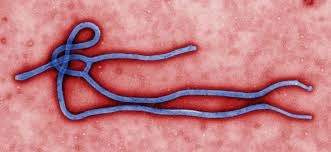
This latest event is DRC’s 16th Ebola outbreak since the virus was first identified there in 1976 and is attributed to the Zaire ebolavirus species—the same lineage implicated in several of the country’s deadliest outbreaks. The response is complicated by armed conflict and insecurity, particularly in the east, which disrupts surveillance, safe burials, contact tracing, and timely care.
Authorities are urging strict infection prevention and control in health facilities, rapid isolation and testing of suspected cases, community engagement to counter misinformation, and safe burials to curb transmission. Humanitarian partners warn that without accelerated vaccine deployment, strengthened case management, and secure access for responders, the outbreak could widen beyond the current six health areas.