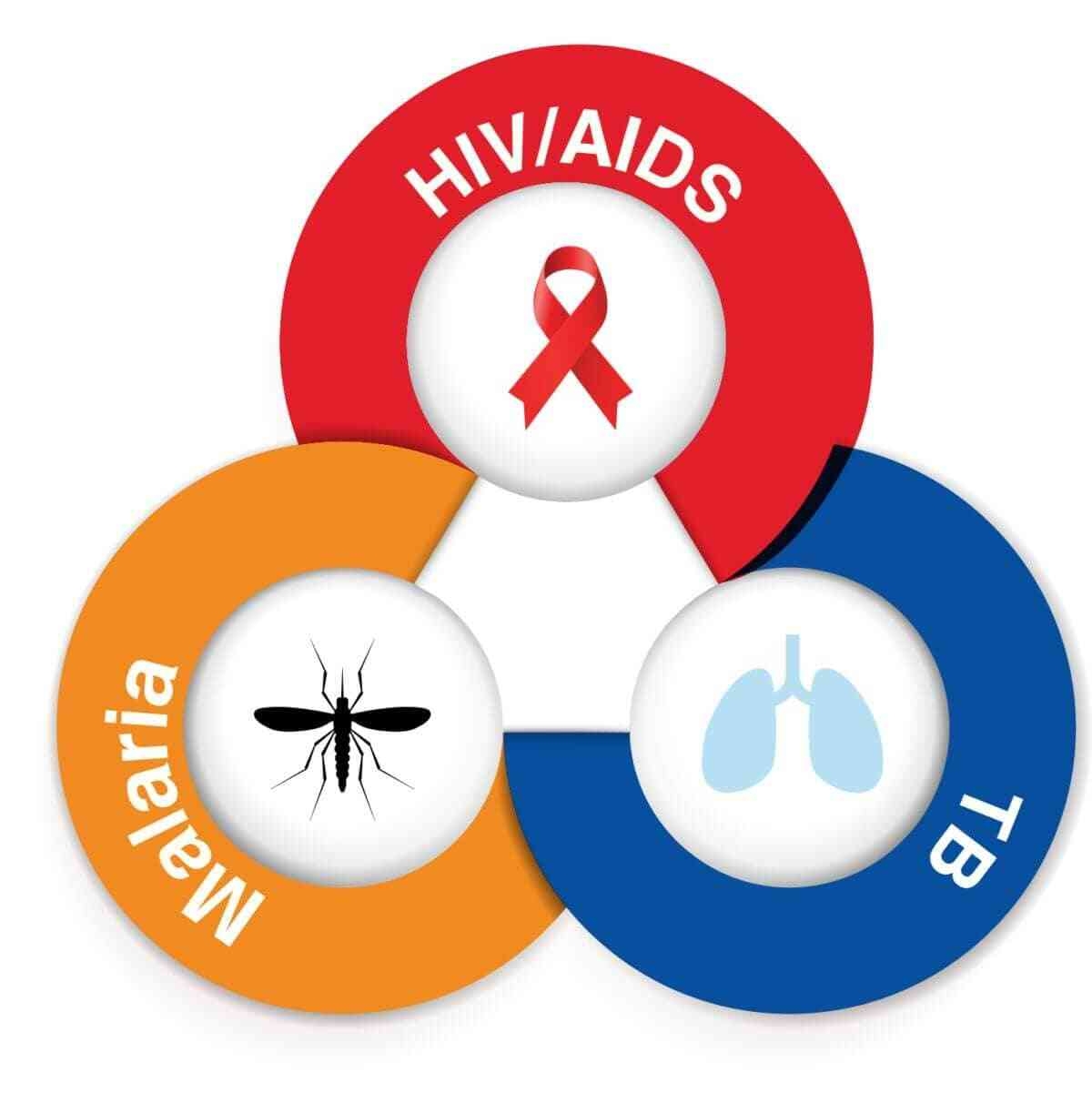
As Nigeria contends with shrinking international support for its health programs, the Nigeria Health Commissioners’ Forum has pledged renewed commitment to closing critical funding gaps in the battle against AIDS, Tuberculosis, and Malaria (ATM).
Speaking in Lagos during the Global Fund Country Coordinating Mechanism (CCM) Nigeria Annual Retreat, Dr. Oyebanji Filani, Chairperson of the Forum and Ekiti State Commissioner for Health and Human Services, highlighted the pivotal role of states in maintaining health service delivery.
“There have been funding gaps, but states consistently cover salaries—one of the biggest cost drivers—to ensure that care remains accessible,” Filani said. “We’ve seen a reduction in external funding due to global policy shifts, but states are stepping up.”
Key Highlights:
- State governments continue to finance health worker salaries and strengthen infrastructure amid declining donor support.
- Health commodities, the second major cost driver, are supported through federal and partner collaboration.
- The retreat marked the first joint engagement of Nigeria’s executive and legislative arms on health financing, aiming to foster shared accountability and reduce misinformation.
- President Bola Tinubu’s administration has committed additional resources to health, with states like Ekiti mirroring such efforts by aligning salaries with federal allowances and hiring more health professionals.
On Health Self-Sufficiency:
Filani was optimistic about Nigeria’s path toward health independence, noting initiatives such as:
- Expansion of state-run health insurance to reduce out-of-pocket expenses,
- Creation of drug management agencies,
- Renovation of primary health centres, and
- Introduction of intersectoral policies like sanitation mandates and clean water testing.
“Health is not just about hospitals—it’s about a healthy ecosystem,” he stated, citing urban planning, sanitation, and water safety as vital.
Measurable Progress:
Filani pointed to significant improvements from the latest Nigeria Demographic and Health Survey:
- Infant mortality reduced by 54%
- Child mortality reduced by 57%
- Increases in immunisation coverage
- Reductions in malnutrition and stunting
- Better access to skilled health workers
“The answer is yes—we can achieve health sufficiency, but it takes time and sustained commitment,” Filani concluded. “As a Forum, we challenge ourselves regularly, share best practices, and ensure our policies translate to real-world health gains.”
The Commissioners’ Forum remains a key coordinating platform driving Nigeria’s decentralised health response in an era of diminishing global aid, signaling a new era of local accountability and sustainable investment in public health.