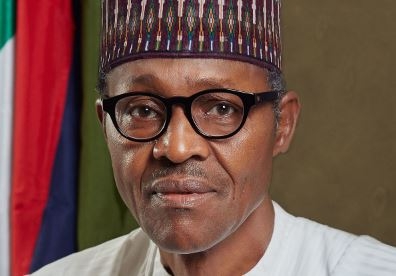
Nigeria’s immediate past President, Muhammadu Buhari, has passed away at the age of 81, prompting a wave of mourning across the nation. The announcement of his death was made on Sunday by his former aide, Bashir Ahmad, and later confirmed by his official spokesperson, Garba Shehu. According to both statements shared on the social media platform X (formerly Twitter), Buhari died in a clinic in London, where he had been undergoing medical treatment in recent days.
Garba Shehu expressed condolences using the Islamic prayer of mourning, “Inna Lillahi wa inna ilayhi raji’un,” and prayed for Buhari’s admittance into Aljannatul Firdaus. Although earlier reports suggested that the former president had been discharged from the Intensive Care Unit and was recovering, the latest development has confirmed that his health took a critical turn, resulting in his demise.
Buhari, who served as Nigeria’s president from 2015 to 2023, had long-standing health issues and had spent extended periods in the UK during his presidency for medical care. His death marks the end of an era in Nigerian politics, especially considering his significant influence both as a former military ruler from 1983 to 1985 and as a two-term democratically elected president.
News of his death has triggered widespread sorrow and remembrance, with tributes pouring in from political allies, citizens, and international observers. His passing comes amid ongoing political and economic transitions in Nigeria, and national leaders are expected to honor him with formal tributes in the coming days.
As the nation grapples with the news, arrangements for funeral rites and national mourning are anticipated, in accordance with both Islamic tradition and his status as a former head of state. The government and the Buhari family have yet to release further details regarding burial plans or official commemorative events.