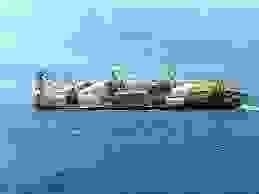
Authorities in Kerala, India’s southern coastal state, have issued a widespread environmental and public safety alert following the capsizing of a Liberian-flagged cargo vessel, MSC ELSA 3, off the coast of Kochi in the Arabian Sea on Sunday.
Incident Overview
The ship, which was en route from Vizhinjam port to Kochi, began tilting dangerously about 38 nautical miles off Kochi’s coast and eventually sank due to flooding in one of its compartments. While all 24 crew members were safely rescued by the Indian Navy in a complex operation, the environmental risk posed by the vessel is growing.
According to the Indian Coast Guard, the ship was carrying:
- 13 containers of hazardous cargo
- 12 containers of calcium carbide (which reacts with seawater to release flammable acetylene gas)
- 84.44 metric tonnes of diesel
- 367.1 metric tonnes of furnace oil
Authorities confirmed that some of the 640 containers on board have detached and are drifting toward shore, raising immediate safety and ecological concerns.
Emergency Response & Environmental Threat
Officials have intensified pollution control efforts, deploying an Indian Coast Guard vessel equipped with spill containment gear and an aircraft with oil spill detection capabilities to monitor the situation.
Kerala’s Chief Minister’s office issued a statement warning that:
“As the oil slick can reach anywhere along the Kerala coast, an alert has been sounded across the coastal belt.”
Fishermen have been advised to avoid the area near the sunken ship, and coastal residents are being urged not to touch any oil residue or stray containers that may wash ashore. Evacuations have reportedly been initiated in areas closest to drifting cargo.
Environmental & Economic Concerns
The spill poses a serious risk to Kerala’s marine biodiversity, especially given the ecological richness of the region’s coastal waters, which include coral reefs, mangroves, and vital breeding grounds for fish. It also threatens local tourism and fisheries, two key pillars of the regional economy. Calcium carbide, in particular, is considered highly dangerous in marine environments due to its chemical reactivity with water, which can result in explosive or flammable gas emissions.
Next Steps
The Coast Guard and pollution response teams are racing against time to:
- Contain the oil slick
- Recover or neutralize drifting hazardous containers
- Monitor the impact on marine life and public health
Environmental experts are expected to assess damage to the coastal ecosystem in the coming days. Meanwhile, the Indian Ministry of Environment and Forests may classify this as a Level II or III marine pollution event, depending on further impact reports.