LUSAKA, Zambia
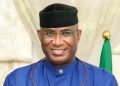
Zambia’s main opposition leader, Brian Mundubile, has been formally indicted on treason charges alongside 13 other suspects over allegations of plotting to overthrow President Hakainde Hichilema’s government, escalating political tensions following the country’s disputed presidential election. Prosecutors presented the charges before a magistrate’s court in Lusaka on Monday, accusing Mundubile, his former presidential running mate Makebi Zulu and 12 others of conspiring to remove the government through unlawful means.
According to court documents, the alleged conspiracy took place between April and August 2026, involving plans to recruit military personnel and secure financial and logistical support for an attempted overthrow. Prosecutors further alleged that Mundubile and a businessman financed military training in Russia for individuals suspected of participating in the plot. These allegations have not been established in court. Magistrate Nthandose Chabala referred the case to the High Court for trial, although a hearing date has not been confirmed.
If convicted, the defendants could face life imprisonment. Mundubile, a former government minister, has consistently denied wrongdoing, maintaining that the accusations are politically motivated. His lawyer, Sakwiba Sikota, rejected the prosecution’s case, questioning the credibility of the allegations and accusing investigators of pursuing an unjustified investigation. The indictment follows Zambia’s August 13 presidential election, in which Hichilema secured a second term after defeating Mundubile. The opposition challenged the credibility of the results, alleging serious electoral irregularities. Hichilema’s government rejected accusations of electoral fraud.
Mundubile and Zulu were subsequently detained, alongside other opposition figures, as authorities investigated allegations of threats to national security. Their prolonged detention has attracted criticism from human rights organisations, which have raised concerns about political intimidation, due process and restrictions on opposition activities. Amnesty International recently called for the release of 18 detained opposition figures, citing allegations of arbitrary arrests, mistreatment and restricted access to legal representation.
The Zambian government has denied accusations of politically motivated repression. The case has intensified scrutiny of democratic institutions in Zambia, a southern African nation traditionally regarded as a significant regional democracy. Political observers are closely watching whether the judicial proceedings will address the prosecution’s allegations while protecting the defendants’ constitutional rights. With the opposition challenging the government’s conduct and prosecutors pursuing serious national security charges, the forthcoming trial could become a defining test of Zambia’s judicial independence and political stability.