BRUSSELS, Belgium
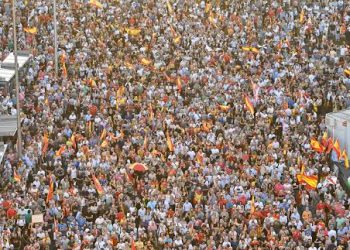
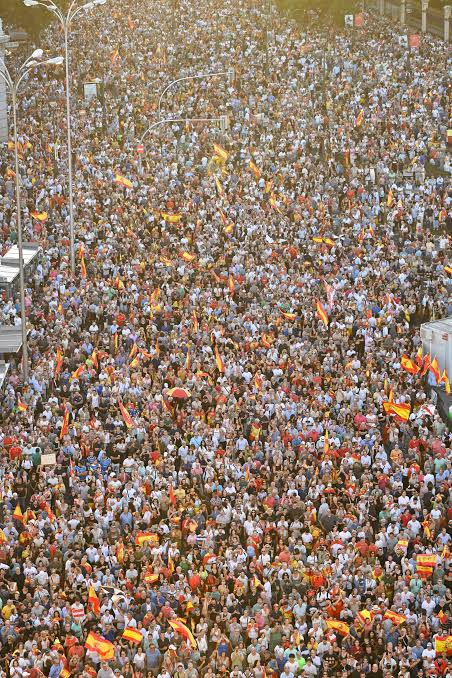
Tens of thousands of workers marched through Brussels on Monday to protest government spending cuts and rising living costs, as a nationwide strike disrupted flights, public transport and schools, increasing pressure on Prime Minister Bart De Wever’s government. Police estimated the crowd at 50,000, while trade unions placed attendance at 70,000. Demonstrators carried union flags and placards condemning austerity measures, with many demanding that wealthier Belgians contribute more to restoring the country’s finances. Organised by the CSC, FGTB and Synova trade unions, the demonstration brought together workers, students, pensioners and civil society groups.
Protesters expressed anger over proposed reductions in healthcare, welfare and pension spending, warning that the measures could further strain households already struggling with expensive housing, energy and food. The largely peaceful demonstration was disrupted by clashes near Brussels-Midi railway station, where police deployed tear gas and water cannons against groups of protesters. A vehicle caught fire near the station, sending thick smoke into the air. Officers also made arrests as confrontations escalated.
The nationwide industrial action caused widespread disruption. Air traffic controllers’ participation halted regular flight operations, while bus, tram and metro services were significantly reduced across Belgium. The protests coincided with growing political uncertainty surrounding the government’s 2027 budget negotiations. De Wever’s five-party coalition remains divided over plans to save approximately €10 billion through spending reductions and other fiscal measures aimed at addressing Belgium’s widening budget deficit. Coalition partner Vooruit has resisted parts of the proposal, demanding higher taxes on wealthy individuals to reduce the impact of cuts on healthcare and social welfare.
Following another unsuccessful round of negotiations, De Wever met King Philippe on Monday to discuss the political deadlock. The monarch encouraged continued negotiations, while the prime minister set December 31 as the deadline for reaching an agreement, warning that failure could threaten his government’s survival.
Belgium’s financial pressures are mounting, with the European Commission projecting that public debt will reach 113.4 percent of gross domestic product in 2027. Trade unions maintain that ordinary workers should not carry a disproportionate share of the government’s financial adjustments, while authorities argue that reforms are necessary to stabilise public finances. With budget talks deadlocked and public frustration intensifying, the demonstrations have become a major test of Belgium’s ability to balance economic stability with protecting living standards.