TRIPOLI/ANTALYA,
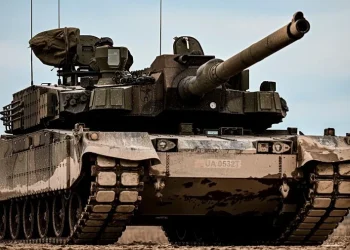
Tensions have escalated in Libya following Ukrainian drone attacks on Russian-linked vessels near Benghazi, raising fears that the Russia-Ukraine war could spread further into North Africa, while the COP31 climate summit in Turkey has ended without a comprehensive global agreement. The maritime attacks on Sunday targeted the Russian naval corvette Mercury and cargo ship Angara, according to Ukrainian officials. President Volodymyr Zelenskyy said the operation struck Russian military assets and claimed the warship sank. Libyan officials confirmed significant damage to the corvette, although the reported sinking has not been independently established. At least 10 people were injured, according to officials cited by the Associated Press.
Eastern Libyan authorities launched an investigation alongside Russia and warned that the attack threatened national sovereignty. Naval forces were placed on heightened alert as concerns grew over further strikes in the Mediterranean. Libya remains politically divided between the internationally recognised government in Tripoli, led by Abdul Hamid Dbeibah, and an eastern administration supported by military commander Khalifa Haftar. The growing involvement of foreign military forces has renewed concerns that Libya’s internal divisions could be aggravated by the wider confrontation between Moscow and Kyiv.
Meanwhile, in Antalya, Turkey, the COP31 climate conference concluded Sunday without agreement on the proposed Antalya Pact, following prolonged negotiations over fossil fuels and climate financing. The European Union and several climate-vulnerable nations rejected the proposed agreement, arguing that it lacked meaningful commitments to reducing reliance on fossil fuels and strengthening financial support for developing countries. Disagreements also centred on funding for climate adaptation, with poorer nations demanding greater assistance to confront worsening floods, droughts and other extreme weather events. Despite the deadlock, negotiators made progress on climate finance, adaptation and a fair transition towards cleaner energy. Countries also supported an initiative aimed at increasing electricity’s share of global final energy consumption to 35 percent by 2035. UNFCCC
United Nations climate chief Simon Stiell expressed disappointment over the failure to secure an overarching agreement but acknowledged progress on several important negotiating issues. Turkish President Recep Tayyip Erdoğan described the summit as a foundation for future negotiations, despite the absence of a final political consensus. The developments highlight two distinct challenges confronting international diplomacy: preventing Libya’s fragile security situation from becoming further entangled in international conflict and overcoming divisions that continue to delay stronger global climate action.