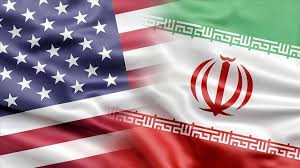
United States President Donald Trump has said Washington will not unfreeze billions of dollars in Iranian assets before a lasting ceasefire agreement is reached to formally end the US-Israel war with Iran.
Trump made the remarks in an interview with NBC’s Meet the Press aired on Sunday, signalling a hard line on one of Tehran’s central demands in ongoing indirect negotiations. He said any release of frozen Iranian funds or easing of sanctions would come only after a deal is completed.
“If they behave, if they do a good job, we start talking,” Trump said, adding that sanctions relief and asset access would “come after” an agreement rather than before it.
Iranian officials have repeatedly argued that any deal must include at least partial access to frozen funds, citing deep mistrust of Washington after months of conflict and failed diplomacy. Tehran has accused the United States of violating the fragile ceasefire with military strikes, while Washington says its actions have been defensive and aimed at deterring further Iranian attacks.
The dispute over frozen assets has become one of several major obstacles in the talks. The two sides remain divided over Iran’s nuclear programme, the reopening of the Strait of Hormuz, sanctions relief and guarantees that both sides will honour any agreement. Reuters reported that Iran has explored the possibility of a limited deal to ease economic pressure while buying time in wider negotiations.
Trump has repeatedly said a breakthrough is possible but has also threatened renewed military action if diplomacy fails. In the NBC interview, he warned that the US was “very close to a deal” or, in his words, would “blow the hell out of them.”
The comments are likely to deepen Iranian concerns that Washington is using economic pressure and military threats to force concessions. Iranian officials have said the negotiations remain stalled, with Tehran demanding sanctions waivers, access to frozen assets and relief from restrictions affecting its ports and oil exports.
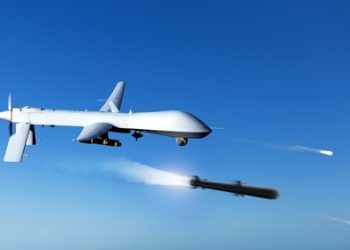
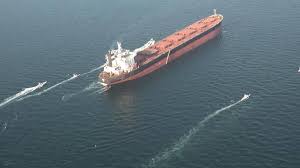
The talks are unfolding against a volatile regional backdrop. Recent exchanges between US and Iranian forces in the Gulf, including missile and drone incidents near Kuwait, Bahrain and the Strait of Hormuz, have underscored the fragility of the ceasefire.
Trump’s latest position leaves little room for compromise on the frozen funds issue, raising doubts about whether mediators can bridge the gap between Washington’s demand for Iranian concessions first and Tehran’s insistence on economic guarantees before any final settlement.