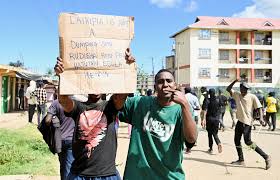
Residents of a Kenyan town selected to host a U.S.-supported Ebola research and response centre have voiced strong opposition to the project, citing concerns over public safety, transparency, and the potential risks associated with handling dangerous infectious diseases.
Community members have questioned the decision to establish the facility in their area, arguing that local residents were not adequately consulted before plans for the centre were announced. Many fear that the presence of an Ebola-related research facility could expose the community to health risks, despite assurances from officials that strict safety measures would be in place.
The proposed centre is intended to strengthen disease surveillance, research, and emergency preparedness efforts in East Africa. Backed by U.S. health agencies and partners, the facility is expected to support regional efforts to detect and respond to outbreaks of Ebola and other infectious diseases more effectively.
However, opponents say public concerns have not been sufficiently addressed. Some residents have called for greater transparency regarding the facility’s operations, safety protocols, and the types of research that would be conducted there. Others worry about the potential impact on the town’s reputation and economic activities.
Health experts and government officials have defended the project, stressing that the centre is designed to enhance public health security rather than pose a threat. They note that similar high-containment laboratories operate safely in many countries and play a crucial role in preventing and controlling disease outbreaks.
Authorities have also emphasised that the facility would comply with international biosafety standards and be staffed by trained professionals. They argue that strengthening regional disease-response capacity is essential given the recurring threat of infectious disease outbreaks across Africa.
Despite these assurances, opposition within the community remains strong, with residents demanding further engagement before construction or operations proceed.
The dispute highlights the challenge of balancing public health preparedness with community acceptance, as governments and international partners seek to expand disease surveillance infrastructure across the continent.