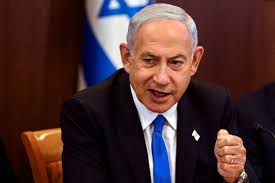
JERUSALEM — Israeli Prime Minister Benjamin Netanyahu has downplayed signs of a rift with U.S. President Donald Trump after the American leader confirmed he had harshly criticised him over Israel’s military operations in Lebanon.
Trump acknowledged that he had called Netanyahu “crazy” during a heated phone conversation, saying he was frustrated that Israel’s fighting with Hezbollah in Lebanon was complicating U.S. efforts to reach a peace agreement with Iran. He said he was “a little bit perturbed” by Israeli actions but insisted he still had a strong relationship with Netanyahu.
Netanyahu, speaking in an interview with CNBC, confirmed that the two leaders had held a difficult conversation but sought to minimise the disagreement. He said he and Trump sometimes have “tactical disagreements” but remain aligned on core issues, including preventing Iran from acquiring nuclear weapons and disarming Hezbollah.
“This has been a great relationship because he’s been the greatest friend that Israel has ever had in the White House,” Netanyahu said, arguing that the two leaders agree on “the main things.”
The exchange comes at a sensitive moment for both governments. Washington is trying to advance talks aimed at ending the conflict with Iran and reopening the Strait of Hormuz, while Israel has continued military operations against Hezbollah in Lebanon. Trump has warned that Israeli strikes could undermine the diplomatic track by hardening Tehran’s position.
Netanyahu has also faced criticism at home after Trump said Israel had agreed to halt planned strikes on Hezbollah targets near Beirut. Israeli political rivals accused the prime minister of allowing Washington to dictate Israel’s military decisions, but Netanyahu insisted his government’s position on Lebanon had not changed.
The dispute highlights the strain inside one of Washington’s closest alliances. Trump has strongly backed Israel militarily and diplomatically, but his administration is now balancing that support with efforts to prevent the war with Iran from escalating further.
For Netanyahu, the challenge is to reassure Israelis that he remains in control of national security decisions while preserving U.S. backing. For Trump, the risk is that continued Israeli operations in Lebanon could derail a broader regional settlement he wants to present as a diplomatic victory.
Both leaders say the relationship remains intact. But the public confirmation of Trump’s criticism shows that disagreements over Lebanon, Iran and the timing of military action are becoming harder to keep behind closed doors.