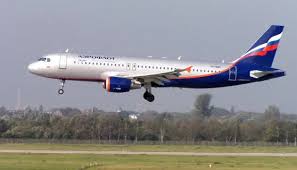
The Russia has imposed a temporary ban on aviation fuel exports until November 30, citing concerns over maintaining adequate domestic supplies and stabilising the local fuel market.
The restriction, announced by Russian authorities, is aimed at ensuring sufficient availability of jet fuel for domestic consumers and preventing potential shortages amid rising demand. Officials said the measure forms part of broader efforts to safeguard the country’s energy security and support the uninterrupted operation of its transportation sector.
According to government sources, the export suspension will remain in effect through the end of November, allowing authorities to closely monitor fuel inventories and market conditions. The move follows growing concerns over supply balances, particularly as seasonal demand and logistical pressures continue to affect the energy market.
Authorities stressed that prioritising domestic needs is essential to maintaining stable fuel prices and ensuring reliable access for airlines operating within Russia. The government also indicated that the policy could help prevent market distortions and reduce the risk of supply disruptions in key regions.
Industry observers noted that Russia is a significant supplier of refined petroleum products, meaning the export halt could have implications for international buyers that rely on Russian aviation fuel. However, officials maintained that the decision was driven primarily by domestic considerations rather than external market factors.
The latest action reflects Moscow’s continued use of export controls as a tool to manage internal energy supplies. Similar restrictions have been implemented in the past on various fuel products when authorities deemed it necessary to protect local markets from shortages or price volatility.
While the government has not ruled out future adjustments, officials said the current priority remains ensuring adequate fuel availability for domestic consumption. The situation will be reviewed in the coming months, with further decisions expected based on supply levels and market developments.
The export ban underscores Russia’s focus on energy stability as it navigates ongoing economic and logistical challenges within its fuel sector.