ABUJA, Nigeria — The Nigeria Democratic Congress has confirmed former Anambra State governor Peter Obi as its presidential candidate for the 2027 general election, while the African Democratic Congress has declared former Kaduna State governor Nasir El-Rufai a “prisoner of conscience” and demanded his immediate release.
Obi’s nomination was confirmed at the NDC’s special convention in Abuja, where party delegates ratified him as the party’s flag bearer. He had emerged as the sole aspirant after the party zoned its presidential ticket to Southern Nigeria earlier this month, a decision widely seen as clearing the path for his candidacy.
In his acceptance speech, Obi pledged to pursue what he described as a “New Nigeria” agenda, with emphasis on security, economic recovery, healthcare, education and national unity. The former Labour Party presidential candidate in the 2023 election said the country needed disciplined leadership, accountable governance and a clear plan to restore public trust.
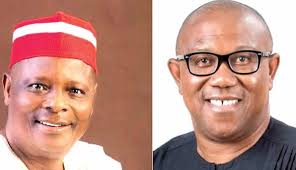
Obi’s emergence comes after months of realignment among opposition forces ahead of 2027. Earlier efforts to build a broad coalition under the ADC were weakened by internal disputes and factional disagreements. Reuters reported this month that Obi and former Kano State governor Rabiu Kwankwaso had left the ADC-led opposition alliance and joined the NDC, raising doubts about the ability of opposition parties to present a single candidate against President Bola Tinubu.
Separately, the ADC’s National Executive Committee, at its 101st meeting in Abuja, recognised El-Rufai as a “prisoner of conscience” and called for his immediate release. In a communiqué signed by the party’s National Publicity Secretary, Bolaji Abdullahi, the party said El-Rufai was a victim of political persecution.
“The NEC recognises Mallam Nasir El-Rufai as a prisoner of conscience and calls for his immediate release,” the communiqué stated. The party also approved results of its recently conducted primaries for state assembly, National Assembly, governorship and presidential contests, except where appeals or unfinished processes remain.
The ADC’s declaration is likely to heighten political debate around El-Rufai, a former minister of the Federal Capital Territory and influential APC figure who later became associated with opposition forces seeking to challenge the ruling party.
The developments underline the fluid state of Nigeria’s opposition politics ahead of 2027. While Obi’s NDC nomination gives one opposition bloc a clear presidential candidate, the ADC’s separate moves show that rivalry, factionalism and competing platforms may still shape the race against the APC.