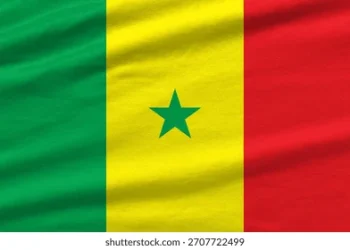
RABAT, Morocco — Morocco’s King Mohammed VI has pardoned 18 Senegalese football fans jailed over violence linked to the Africa Cup of Nations final, in a move described by the Royal Cabinet as a humanitarian gesture and a sign of the longstanding ties between Morocco and Senegal.
The supporters had been convicted after chaotic scenes during the January final between Morocco and Senegal in Rabat, when fans clashed with security forces and some attempted to storm the pitch following a controversial late penalty decision. They were sentenced in February to prison terms of up to one year on charges that included damaging sporting facilities and committing violence during a sporting event. Some had already completed their sentences before the pardon was granted.
The Royal Cabinet said the pardon was issued on the occasion of Eid al-Adha and reflected “humanitarian reasons” as well as the “long-standing fraternal ties” between the two countries. The decision followed appeals from Senegalese officials and lawyers representing the jailed fans.
The AFCON final had already generated controversy on and off the pitch. Senegal initially won the match 1-0, but the Confederation of African Football later awarded the title to Morocco after an appeal linked to the disruption. Senegal has challenged the decision at the Court of Arbitration for Sport, prolonging a dispute that has tested football and diplomatic relations between the two countries.
The sentencing of the fans had drawn public anger in Senegal, where relatives and supporters argued that the punishments were too harsh. Defence lawyers had also questioned the evidence used to convict some of the defendants, while Moroccan authorities insisted the violence caused significant damage and endangered public order.
The pardon is expected to ease tensions between Rabat and Dakar, two countries that have traditionally maintained close diplomatic, religious and economic relations. Senegalese media reported that the released fans were expected to return home shortly after the decision.
Morocco’s hosting of the tournament had been seen as an important test ahead of its future international football commitments, including preparations linked to the 2030 FIFA World Cup, which it will co-host with Spain and Portugal. The disorder at the final raised questions about crowd control, stadium security and the handling of visiting supporters.
For the pardoned fans and their families, the decision brings an end to months of uncertainty. For Morocco and Senegal, it offers a diplomatic reset after a football final that spilled far beyond sport.