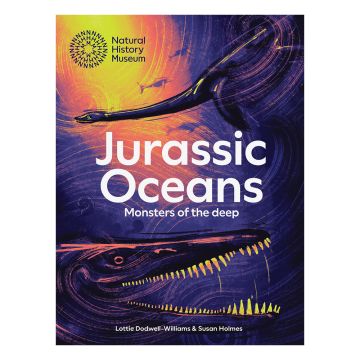
LONDON — A new exhibition at London’s Natural History Museum is taking visitors back nearly 200 million years to a time when giant marine reptiles dominated the world’s oceans while dinosaurs ruled the land.
The exhibition, “Jurassic Oceans: Monsters of the Deep,” opens on Friday, May 22, 2026, at the museum’s Waterhouse Gallery in South Kensington. It will run until January 3, 2027, with daily entry from 10 a.m. to 4:30 p.m.
Museum officials describe the show as a deep dive into the ancient seas of the Jurassic period, when warmer oceans, higher sea levels and very different ecosystems created the conditions for some of the most fearsome predators ever to live beneath the waves. The exhibition features fossils, models and immersive displays of creatures including ichthyosaurs, plesiosaurs and mosasaurs.
Among the highlights is a long-necked plesiosaur, one of the animals that helped inspire later myths about sea monsters, including the Loch Ness Monster. Visitors can also encounter ichthyosaurs, dolphin-shaped reptiles that evolved streamlined bodies similar to modern marine mammals despite belonging to a completely different branch of life.
The exhibition also explores the role of pioneering fossil hunter Mary Anning, whose discoveries along England’s Jurassic Coast helped transform scientific understanding of prehistoric marine life. Anning’s finds remain central to the study of ancient reptiles and the ecosystems they inhabited.
Scientists at the museum say the exhibition is not only about spectacular fossils. It also offers lessons about climate, extinction and the way oceans respond to environmental change. During the Jurassic period, Earth was warmer, carbon dioxide levels were higher and there were no modern polar ice caps. Those conditions created very different marine worlds, but also left ecosystems vulnerable when climates shifted.
The museum says the show draws on its palaeontology collections and research into how ecosystems change over time, using the past to help visitors think about the future of marine life. Modern oceans are now facing warming, acidification and declining oxygen levels, raising concerns among scientists about how quickly today’s ecosystems are changing.
For families and fossil enthusiasts, “Jurassic Oceans” offers a dramatic encounter with creatures that once sat at the top of the marine food chain. For scientists, it is also a reminder that the history of life in the oceans is shaped by both adaptation and sudden environmental pressure.