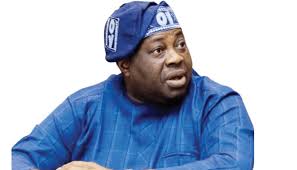
Senator Adams Oshiomhole has called for the resignation of Senate President Godswill Akpabio, accusing him of presiding over a controversial amendment to the Senate Standing Orders that, in Oshiomhole’s view, exposes a “moral crisis” in the upper chamber.
Oshiomhole, who represents Edo North on the platform of the All Progressives Congress, spoke with journalists in Abuja on Thursday after heated debates over new rules governing eligibility for presiding and principal offices in the Senate. The amendment, adopted earlier in the week, sought to restrict such positions to senators who had served at least two consecutive terms, with one term immediately preceding nomination.
The former Edo State governor argued that the rule was not only unfair to newer lawmakers but also morally contradictory because Akpabio himself would not meet the same requirement if it were applied strictly. Akpabio served in the Senate between 2015 and 2019 and returned in 2023, meaning he has not completed two uninterrupted consecutive terms.
“This rule has a serious moral crisis,” Oshiomhole said. “The Senate President became Minority Leader in his first term. He is now the one presiding and asking us to change those rules so that those who have done one term cannot contest.”
He said if the Senate insists that only lawmakers with eight consecutive years of service should be eligible for leadership, Akpabio should “lead by example” by vacating the office.
Oshiomhole also criticised what he described as attempts by political actors to narrow the field ahead of the 11th National Assembly. He referenced former Senate President David Mark, who served for eight years, saying leaders who benefited from existing rules should not later change them to block others. The controversy triggered tension in the chamber. Reports said Oshiomhole and Akpabio clashed during plenary after the Edo senator attempted to raise a point of order over the amendment.
By Thursday, however, the Senate reversed parts of the amendments affecting oath-taking and the procedure for electing presiding officers. Senate Leader Opeyemi Bamidele said further review showed that changes to Order 2(2) and Order 3(1) could create constitutional inconsistencies, particularly with Section 52 of the 1999 Constitution.
The reversal eased some procedural concerns but did not fully end the dispute. Reports indicated that the more controversial eligibility provision under Order 5 remained a major source of political disagreement.