Algeria has launched a new international oil and gas licensing round, seeking fresh foreign investment as global energy markets remain unsettled by supply disruptions linked to the U.S.-Israeli war on Iran and instability around the Strait of Hormuz. The tender, branded “Algeria Bid 2026,” offers seven exploration areas and is part of Algiers’ broader push to raise output and strengthen its position as a major supplier to Europe.
The seven areas on offer include strategic basins in southern and southeastern Algeria. Six blocks are being offered under production-sharing agreements with state energy firm Sonatrach, while the seventh will be awarded under a participation contract in which Sonatrach will retain at least a 51 percent stake. Bids are due by November 26, with results expected at the end of January and contracts due to be signed on January 31, 2027.
Hydrocarbons Minister Mohamed Arkab said the new licensing round is intended to “reinforce the attractiveness of the sector,” develop national hydrocarbon resources and consolidate Algeria’s role as a reliable destination for energy investment. The move comes as the country plans to invest between $50 billion and $60 billion to lift gas production to 200 billion cubic metres by 2030.
Algeria is already Africa’s largest gas exporter and has grown in importance for the European Union since Russian gas imports were sharply reduced after Moscow’s 2022 invasion of Ukraine. Hydrocarbons account for more than 90 percent of Algeria’s foreign currency earnings, making energy expansion central not only to export strategy but to state finances. Algerian authorities are also in talks with Chevron and ExxonMobil over offshore fields and shale gas opportunities.
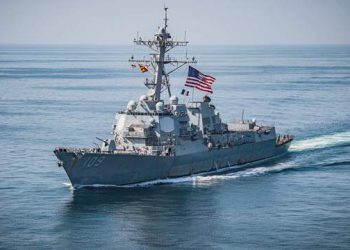
The bid round is opening in a tense global backdrop. Reuters reported in March that oil and gas prices jumped sharply after U.S. and Israeli strikes on Iran disrupted Middle Eastern energy production and shipping, while renewed strain around Hormuz in April again rattled markets. Reuters also reported last week that oil prices dropped sharply only after Iran briefly declared the strait open, underlining how sensitive markets remain to events in the Gulf.
For Algeria, that volatility creates both pressure and opportunity. As buyers search for dependable suppliers outside the Gulf and Russia, Algiers is trying to present itself as a stable long-term energy partner. The new tender is therefore more than a licensing exercise: it is a strategic bid to convert global uncertainty into fresh upstream investment and a stronger geopolitical role in gas markets.