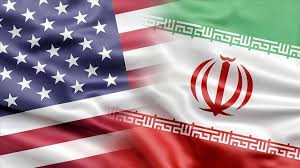
U.S. President Donald Trump said Washington would maintain its blockade of Iranian ports unless a peace agreement is reached, casting fresh doubt over a fragile ceasefire and escalating fears of renewed disruption in the Gulf. The remarks came as Iran said it had reimposed “strict control” over the Strait of Hormuz after a brief reopening, sharply increasing tensions around one of the world’s most important oil shipping routes.
According to Reuters, Trump signaled that the temporary ceasefire with Iran might not be extended and warned that the blockade would stay in place until Tehran accepted broader conditions for peace. That position has raised concern among diplomats and energy markets because the ceasefire had been seen as a narrow window for reviving negotiations through Pakistani mediation.
Iran, in turn, accused the United States of acting in bad faith. In a statement carried by state media and reflected in Reuters reporting, Tehran said it had briefly allowed limited passage of tankers and commercial vessels through the Strait of Hormuz as a gesture linked to de-escalation efforts, but reversed that decision after what it described as repeated U.S. violations and “piracy” under the cover of a naval blockade. Reuters reported that Iran’s navy informed ships that the strait was shut again.
The situation worsened further after the UK Maritime Trade Operations agency reported that a tanker near Oman was fired upon by two gunboats believed to be linked to Iran’s Revolutionary Guards. The vessel and its crew were reported safe, but the incident added to mounting concerns over the safety of commercial shipping in the Gulf. Reuters said the captain reported the boats opened fire without first issuing a radio challenge.
The standoff has also deepened uncertainty around diplomacy. Pakistan had been trying to broker another round of U.S.-Iran talks after earlier negotiations in Islamabad failed to produce a deal. But Reuters reported on Monday that those efforts were now in jeopardy after the U.S. seizure of an Iranian cargo ship near the Strait of Hormuz further inflamed mistrust between the two sides.
With the strait once again under severe pressure, oil markets remain highly sensitive to developments. Roughly a fifth of global oil trade normally passes through Hormuz, meaning any renewed closure or military escalation could have immediate consequences for energy prices, shipping insurance and the wider global economy.