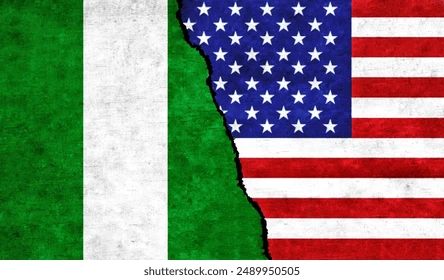
The United States has begun enforcing visa restrictions against individuals accused of violating religious freedom in Nigeria, marking the first public confirmation that a policy announced by Washington late last year has moved from declaration to implementation. Mark Walker, the U.S. Principal Adviser for Global Religious Freedom, said on Friday that the policy was already in effect, though he did not identify the people or groups affected. “We have already executed on this policy, and we will continue to subject perpetrators to additional scrutiny,” Walker wrote on X. He added that those involved in religious persecution were “not welcome in America.”
The visa restriction policy was first announced on December 3, 2025, by U.S. Secretary of State Marco Rubio, who said Washington was taking “decisive action” in response to atrocities and violence against Christians in Nigeria and elsewhere. Rubio said at the time that the State Department would restrict U.S. visas for those who knowingly direct, authorise, fund, support or carry out violations of religious freedom.
Walker’s latest statement is significant because it suggests the U.S. has now started applying that measure in practice, even if the administration has not yet published names. The absence of specifics means it is still unclear whether the restrictions are targeting armed actors, political figures, militia-linked individuals, or financiers. For now, the publicly verified point is limited but important: Washington says enforcement has begun.
The move follows mounting pressure from Republican lawmakers in Congress. In February 2026, Representative Chris Smith and other lawmakers introduced the Nigeria Religious Freedom and Accountability Act of 2026, a proposal calling for targeted sanctions, including visa bans and asset freezes, against individuals and entities accused of severe religious freedom violations in Nigeria. The proposal named the Miyetti Allah Cattle Breeders Association of Nigeria, Miyetti Allah Kautal Hore, Fulani ethnic nomadic militias, and former Kano governor Rabiu Musa Kwankwaso among those it said should face scrutiny. But that bill is a legislative proposal, not itself proof that those named have already been sanctioned by the executive branch.
The U.S. position comes amid long-running international concern over deadly violence in Nigeria involving jihadist groups, armed militias and communal attacks that have often taken on a religious dimension. By confirming implementation of visa restrictions, Washington is signalling that it is prepared to use immigration penalties as part of its response. What remains unknown is how broad the enforcement will be, and whether it will expand into wider sanctions such as asset freezes or public designations in the months ahead.