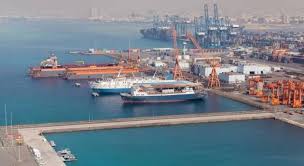
Saudi Arabia’s Port of Jeddah on the Red Sea is emerging as a crucial supply‑chain alternative for Persian Gulf states after maritime traffic through the Strait of Hormuz all but halted amid the wider Middle East conflict, according to multiple industry and government sources. The port is preparing for a significant uptick in cargo volumes in the coming weeks as shippers steer clear of the increasingly hazardous Gulf route.
The strait—historically one of the world’s most important maritime chokepoints, carrying roughly 20 % of global oil and liquid natural gas exports—has seen commercial shipping disrupt sharply due to rising security risks and geopolitical tensions. The effective closure has prompted major carriers to reroute vessels and rethink logistics strategies.
With traditional Gulf ports facing access constraints, Jeddah is now seen by some logistics leaders as a potential lifeline, acting as an alternative gateway for containerised goods and essential supplies bound for Gulf Cooperation Council markets. Saudi authorities and freight companies are reportedly coordinating to expand operations, including enhanced sea‑to‑land corridors that can move cargo inland from the Red Sea toward destinations typically served via Gulf waters.
Regional importers and logistics firms are racing to adapt to the new reality. Aside from Jeddah, other ports and transport hubs along the Red Sea and Arabian Sea are being considered to absorb rerouted traffic, but Jeddah’s scale and connectivity give it a distinctive role in keeping supply lines open while the strait’s situation remains unstable.