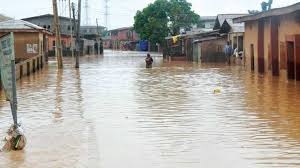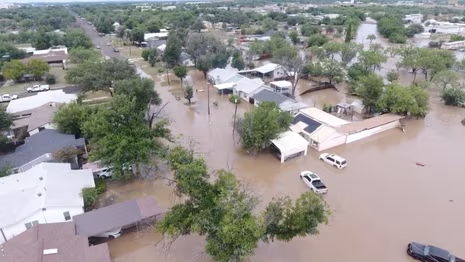
LIMA, Peru — Peru has declared a nationwide state of emergency in more than 700 districts after weeks of heavy rain triggered flooding and landslides across large parts of the country, including the southern city of Arequipa, where streets have been buried in mud and debris. The decree, signed by interim President José María Balcázar and published in the official gazette, is meant to speed up funding for damaged roads, bridges, water systems and other essential services.
The emergency order covers districts along the Pacific coast, the Andes and the Amazon, reflecting the breadth of the crisis. Authorities say the damage to transport infrastructure is severe: about 931 kilometers (580 miles) of roads have been affected nationwide, disrupting routes used by more than half a million people each week. In Arequipa, residents and emergency crews have been clearing sludge from homes, streets and businesses after flash floods and mudslides swept through neighborhoods earlier this week. Associated Press reporting from the city showed people trying to recover vehicles and belongings after water and mud tore through roads and commercial areas. Local officials said thousands of homes have been affected, and shelters have been opened for displaced families.
The human toll is rising. Authorities said at least 68 people have died in rain-related incidents since December 2025, including victims of landslides in Arequipa and other regions. Among the recent deaths were a father and son swept away by a mudslide in Arequipa, a tragedy that underscored the danger facing communities built along old natural water channels and unstable hillsides.
Officials have linked the extreme weather to El Niño Costero, or coastal El Niño, a phenomenon driven by unusually warm Pacific waters off Peru’s coast. That warming increases evaporation, boosts rainfall and raises river levels, making flash floods and landslides more likely. Peruvian authorities say the warming is expected to continue and could intensify slightly in March, raising fears that the crisis may worsen before it improves.
The flooding adds to a broader pattern of destructive weather in Peru and across South America, where stronger rain events have become more frequent and more damaging. For Peru, the immediate task is rescue and cleanup — but the longer-term challenge will be rebuilding infrastructure and protecting vulnerable communities before the next storm hits.