MUNICH, — Germany became a focal point for Iran’s opposition on Saturday as tens of thousands of demonstrators gathered in Munich in support of exiled figure Reza Pahlavi, with police and media reports placing turnout in the 200,000–250,000 range. The protest unfolded on the sidelines of the Munich Security Conference, where top world leaders were meeting on war, diplomacy and global security.
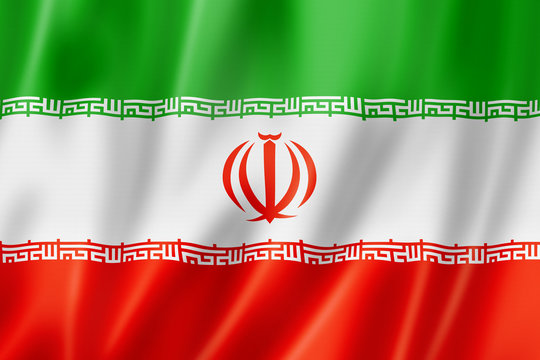
Participants waved pre-1979 Iranian flags featuring the lion-and-sun emblem, beat drums and chanted regime-change slogans, framing the event as a diaspora show of force and a platform for voices inside Iran that activists say have been suppressed by deadly crackdowns and internet restrictions. Pahlavi used Munich appearances—including conference-adjacent media events and a public townhall—to call for stronger international pressure on Tehran. According to Reuters, he urged Western governments to move away from prolonged engagement and increase coercive pressure, while presenting the rally as part of a wider “global day of action.”
Organizers and supporters said demonstrators traveled from across Europe, including Switzerland and other neighboring countries, to amplify demands for democratic change. Similar solidarity events were also reported in cities such as Toronto and Los Angeles. The scale matters politically. A protest of this size during a major security summit forced Iran-related internal politics—not only nuclear diplomacy or regional proxy conflict—into the same visual and media space as official state-level discussions. That gave opposition messaging unusual international visibility, even if it remains unclear how much direct leverage diaspora mobilization can exert on decision-making in Tehran.
Still, key uncertainties remain. Iran’s opposition outside the country is fragmented, and there is no consensus international framework for transition planning. Reuters also reports skepticism in parts of Washington about whether any single opposition figure commands broad support inside Iran. For now, the Munich rally delivered one clear signal: Iran’s political crisis is no longer being discussed only in policy rooms—it is now being staged at mass scale in Europe’s most visible diplomatic venues, with organizers pressing for sanctions, diplomatic isolation of Tehran, and explicit backing for a democratic transition.