CARACAS — As President Nicolás Maduro’s government bristles at a mounting US military buildup nearby, many Venezuelans say their daily battle is not about war, but about finding enough to eat in an economy ravaged by inflation and shortages.
On Wednesday morning at Quinta Crespo, a busy downtown Caracas market, news of US President Donald Trump’s threats and the deployment of the USS Gerald R. Ford to the Caribbean competes with price tags and empty wallets.
“There’s not going to be an intervention, nothing like that. What’s really troubling us is the rise of the dollar,” says vegetable seller Alejandro Orellano, gesturing to a half-empty aisle of fruits and greens as a Christmas carol plays over tinny speakers.
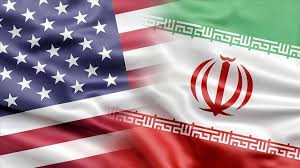
In recent weeks, Washington has moved thousands of troops and military assets closer to Venezuela and carried out airstrikes on alleged drug-running boats in the Caribbean and eastern Pacific, killing dozens. The US says the operation is aimed at cutting narcotics flows; Caracas insists the “sabre-rattling” is meant to push Maduro from power.
The heightened tension has already had knock-on effects: at least four international airlines have cancelled flights in and out of the country following a US aviation warning about “heightened military activity” around Venezuela.
Yet for many, the real emergency is economic. The bolívar is projected to lose around 80% of its value this year, and a kilo of chicken now costs roughly four times the official monthly minimum wage. The IMF has forecast inflation in the hundreds of percent, leaving pensions and public-sector salaries almost meaningless.
“We can’t afford to stock food for a war,” says Consuelo, a 74-year-old retired professor who still works to survive. “Let whatever happens happen. Worrying just makes you sick.”
Fear of speaking openly about politics is widespread. Following the disputed 2024 presidential election, which the opposition and many foreign governments rejected while recognising opposition candidate Edmundo González as president-elect, more than 2,000 people were arrested; some 884 remain behind bars for political reasons, according to rights group Foro Penal.
“We’re scared, silent,” says a merchant in Ciudad Bolívar, who quietly sees a possible US intervention as a chance for change but no longer posts her opinions online.
Others, like pastry chef Bárbara Marrero, say they are “waiting for something to happen” after years of “absolute misery,” even as they worry about the civilian toll of any armed clash.
On a busy boulevard in eastern Caracas, reseller Javier Jaramillo scans stalls for goods to flip during Christmas. He admits that power cuts make him think “they’re going to come in,” but quickly shrugs.
“I don’t think that attack will happen,” he says. “We’re more worried about food. Venezuela is in bad shape. Inflation is eating us alive.”