Lualaba Province, DR Congo — Dozens of people have been killed after a bridge collapsed at the Kalando mine in Mulondo, Lualaba province, following a stampede of illegal miners trying to flee gunfire, local authorities and a government agency have confirmed.
The tragedy occurred on Saturday at a site that had been officially closed due to heavy rainfall and landslide risks, according to Lualaba’s Interior Minister, Roy Kaumba Mayonde.
“Despite the strict prohibition on accessing the site due to heavy rainfall and the risk of landslides, illegal diggers forced their way into the quarry,” Mayonde said at a press conference.
Mayonde put the death toll at at least 32, but a separate report by Congo’s Artisanal and Small-Scale Mining Support and Guidance Service (SAEMAPE) said no fewer than 40 people had died.
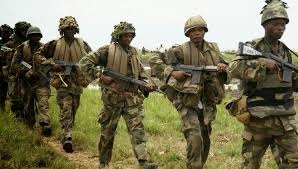
SAEMAPE’s report, released Sunday, said gunfire by soldiers deployed at the site triggered panic among the miners. As they tried to escape, many rushed onto a bridge that then gave way.
The collapse caused miners to fall and “pile on top of each other,” the agency reported, leading to multiple deaths and injuries.
The presence of soldiers at the mine has long been a source of tension between:
- Wildcat (illegal) miners,
- A cooperative set up to organise artisanal operations, and
- The site’s legal operators.
The incident has once again highlighted deadly risks faced by artisanal miners in DR Congo’s lucrative but deeply troubled mineral sector.
Cobalt, conflict and dangerous work
The Democratic Republic of Congo is the world’s largest producer of cobalt, a key component in lithium-ion batteries used in electric vehicles, smartphones and other electronics.
Roughly 80% of cobalt production in the country is controlled by Chinese companies, making Congolese mines central to the global clean energy and tech supply chains.
But the industry has been dogged for years by allegations of:
- Child labour
- Unsafe working conditions
- Corruption and weak regulation
Many Congolese work as artisanal or small-scale miners under hazardous conditions, often entering restricted industrial concessions in search of ore.
The tragedy at Kalando comes as mineral-rich eastern Congo continues to be torn apart by fighting between government forces and armed groups, including the Rwanda-backed M23 rebels. Their resurgence has worsened an already dire humanitarian crisis and further complicated efforts to regulate and secure mining areas.
Authorities say investigations are underway, but families of the victims and rights advocates are already calling for accountability, improved safety measures, and an end to the dangerous cat-and-mouse dynamic between security forces and desperate miners risking their lives for a share of Congo’s mineral wealth.