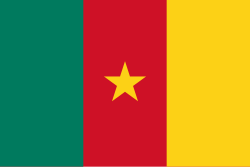
Cameroonians went to the polls on Sunday in a presidential election widely expected to hand President Paul Biya a further seven-year term, potentially keeping Africa’s oldest sitting leader in office until age 99.
Biya, 92, first assumed power in 1982 after the resignation of Cameroon’s founding president, Ahmadou Ahidjo, and has since won seven subsequent elections. His lengthy absences in Europe have fueled persistent questions about his health, while day-to-day governance has increasingly fallen to senior party figures and family members. Announcing his latest run, Biya said he could not “shirk” his mission amid global headwinds and mounting domestic pressures.
Voters cast ballots in a single-round, first-past-the-post system—whoever tops the poll wins—with about 8 million citizens eligible, including over 34,000 overseas, across more than 31,000 polling stations. Polls were due to close at 6 p.m., with official results expected by Oct. 26.
Biya is facing nine challengers, among them former allies and ex-ministers Bello Bouba Maigari and Issa Tchiroma Bakary, both influential in the country’s predominantly Muslim north, which accounts for nearly 20% of the electorate. Campaigning in Maroua last week, Biya promised renewed investment and jobs in a region grappling with poverty and insecurity.
Security loomed over the vote. In the Anglophone west, government forces continue to battle separatist militias seeking independence from the Francophone-dominated state. In the Far North, Boko Haram spillover from neighboring Nigeria periodically disrupts border communities. Authorities said they had reinforced deployments to protect voters and polling staff.
Economic grievances also shaped the mood. Roughly 43% of Cameroonians live in multidimensional poverty by UN metrics, and inflation, joblessness, and strained public services have deepened frustration, especially among the young majority. “Things have to change,” said Cheukam Ginette, a 34-year-old first-time voter in Yaoundé, citing high living costs, poor roads, and patchy healthcare as she backed the opposition. “I do not have confidence in the electoral process… but I’m hopeful.”
The credibility of the vote remains a flashpoint. Opposition parties and civil society groups have long criticized the electoral framework and administration, alleging structural advantages for the ruling party and limited transparency. The government insists the process is legal and secure, urging all candidates to accept the outcome.
Biya, who voted at a primary school in Yaoundé, declined to discuss post-election plans, saying only that he would speak after results are announced. A victory would extend one of the world’s longest presidencies, testing whether gradual promises of reform can quell demands for change—or further energize a restive opposition in a country of 29 million where most citizens have known no other leader.