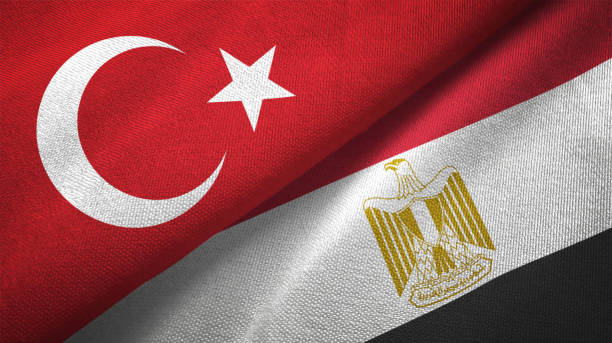
Egypt and Turkey have kicked off a five-day bilateral exercise dubbed “Friendship of the Sea 2025” in the Eastern Mediterranean, signaling a deepening thaw between the region’s two largest militaries after years of strained ties.
The drills bring together frigates, submarines, unmanned surface and subsurface vehicles, helicopters, and F-16 fighter jets from both countries’ naval and air forces. According to officials, the scenario set covers joint operational planning, surface warfare, anti-submarine warfare, and advanced search-and-rescue (SAR) missions designed to improve interoperability at sea and in the air.
Egypt’s military confirmed the arrival of its forces in Turkey, describing the exercise as a step to “strengthen military cooperation” with a “brotherly and friendly” nation. Turkish defense officials framed the event as part of a broader agenda to boost regional stability, maritime safety, and crisis response capacity across shared sea lanes.
Beyond tactics and procedures, the exercise carries diplomatic weight. Relations between Ankara and Cairo were deeply tense following the 2013 ouster of Egyptian President Mohamed Morsi, an ally of Turkish President Recep Tayyip Erdoğan. In recent years, however, the two governments have moved to normalize ties, expanding dialogue on trade, energy, and security. Joint military training at this scale underscores that rapprochement and could pave the way for more frequent staff talks, port calls, and information-sharing mechanisms.
Strategically, the Eastern Mediterranean has grown more complex amid energy exploration, irregular migration routes, and periodic naval frictions. By rehearsing coordinated maritime domain awareness and deconfliction procedures, Egypt and Turkey aim to reduce operational risks while showcasing credible deterrence.
“Friendship of the Sea 2025” is scheduled to run for five days, culminating in a live-phase exercise and a post-operation review to capture lessons learned. Both sides say the drills are non-directed and focused on enhancing readiness, interoperability, and humanitarian response—but the message of renewed partnership is as notable as the maneuvering on the water.