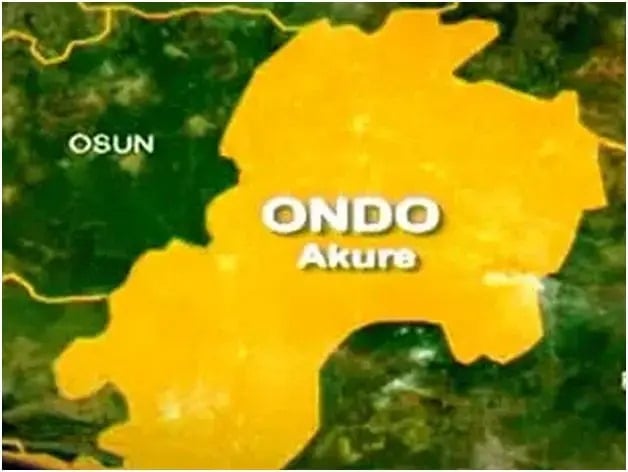
The Nigeria Labour Congress (NLC) in Ondo State and its affiliate unions have asked Governor Lucky Aiyedatiwa to immediately raise the state minimum wage to ₦256,950, up from the current ₦73,000 introduced in 2024. In a letter dated September 19, 2025, signed by State Chairman Ademola Olapade and Secretary Akin Sunday, labour leaders also sought an upward pension review for retirees.
The unions said the present wage is “no longer sustainable” amid “harsh economic realities,” pointing to inflation, currency devaluation, fuel subsidy removal, and steep rises in food, housing, transport, and healthcare. These factors, they argued, have left workers and pensioners in “a state of perpetual economic suffocation.”
Arguing capacity to pay, the NLC contended that Ondo—an oil-producing state—has benefited from higher federal allocations, improved internally generated revenue (IGR), and subsidy savings, and reminded the government of an earlier pledge to review wages as revenues improve. Citing Imo State’s ₦104,000 recently approved minimum wage as “bold and commendable,” the letter urged Ondo to “set a higher standard as an oil-rich state.”
“It is only just and reasonable that Ondo State, which is blessed with oil wealth, does not lag behind but instead leads in setting progressive standards for others to emulate,” the unions said.
Labour called for a negotiation committee comprising government officials, labour leaders, and other stakeholders to hammer out a new wage structure and pension adjustments. While commending the administration for prompt salary and pension payments and timely promotions, the NLC stressed that genuine governance must prioritize people’s welfare:
“A government that pays its workers and pensioners a just wage is a government that honours the social contract it holds with its people.”
The state government has yet to issue an official response. The demand sets the stage for potentially intense negotiations as workers push for relief from a cost-of-living squeeze and the administration weighs fiscal space, competing obligations, and the broader impact on the state’s payroll and public services.