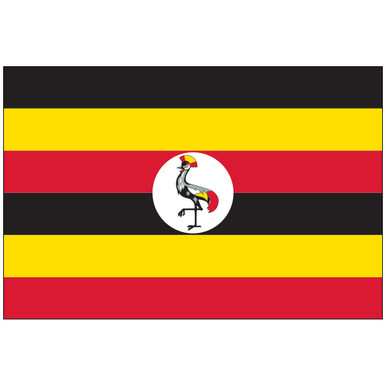
Supporters of Uganda’s longtime leader Yoweri Museveni say they are standing firmly behind him as the country approaches presidential elections on Jan. 15, even as rights groups and opposition figures accuse security forces of intensifying repression in the final stretch of campaigning.
Museveni, 81, leads the ruling National Resistance Movement (NRM) and has governed since 1986, seeking another term after constitutional changes scrapped both term and age limits. His allies argue that Uganda’s relative stability and security under his rule remain a key selling point at a time when voters face economic pressures and rising political tension.
Lydia Nansangwawo, vice-secretary of the NRM’s national mobile task force, said the opposition’s promise of building “a new country” leaves too many unknowns. “We don’t know what kind of a new country they are talking about,” she said, adding that what supporters are “sure of” is the security they believe Museveni has provided.
Backers also point to achievements credited to Museveni’s decades in power, including economic reforms and public health gains. A shopkeeper, Flavia Atubera, said many women feel they have benefited from greater social and economic freedom compared with earlier eras.
The election is expected to again pit Museveni against the 43-year-old opposition leader and pop-star-turned-politician Bobi Wine (Robert Kyagulanyi), whose National Unity Platform (NUP) has drawn strong youth support and has repeatedly alleged harassment of its rallies. Reuters reported that Wine says hundreds of his supporters have been detained during the campaign period and that he has faced violence and restrictions while trying to campaign.
Amnesty International said this week that Ugandan security forces have subjected opposition supporters to a “brutal campaign of repression,” alleging unnecessary and excessive force at rallies, arbitrary arrests, and abuse of detainees. The government has denied accusations of systematic political violence, arguing that law enforcement actions are aimed at maintaining public order.
In the days before the vote, authorities have also tightened information controls. Uganda’s government has banned live broadcasts of riots and what it calls “unlawful processions,” saying the measure is meant to prevent panic and escalation.