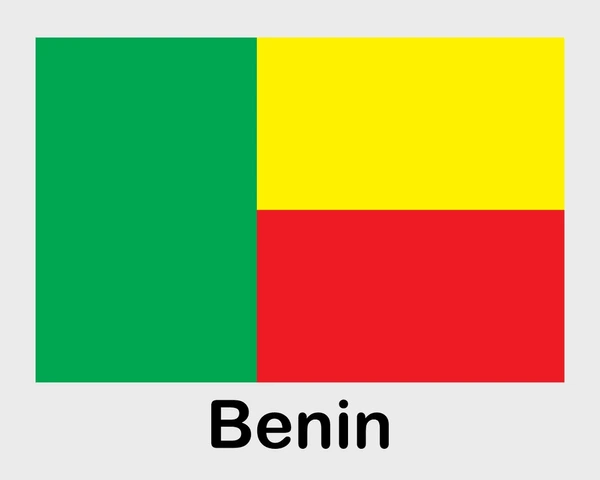
COTONOU — Benin’s two pro-government parties have won every seat in the National Assembly after parliamentary elections held on January 11, according to provisional results released by the electoral commission, leaving the opposition without representation in the 109-member legislature.
The presidential bloc — the Progressive Union for Renewal (UP-R) and the Republican Bloc (BR) — secured 60 and 49 seats respectively, the commission said, completing a clean sweep that analysts warn could deepen political exclusion and weaken institutional checks on the executive.
Benin’s main opposition party, The Democrats, was allowed to contest the parliamentary vote but failed to meet a key legal requirement: a 20% vote threshold in each electoral constituency to qualify for seats. Reuters and the Associated Press reported that the party polled about 16% nationally, below the threshold that was raised under 2024 electoral reforms. The rule has been criticised by opposition figures and some civil-society voices as structurally favoring larger, incumbent-aligned parties by making parliamentary entry difficult even for nationally significant challengers.
Turnout was low. The electoral commission put participation at 36.73%, with officials describing only minor logistical problems, though opposition representatives alleged irregularities — including delays at polling stations and claims that they were excluded from some vote-counting processes. Under Benin’s procedures, the provisional outcome still requires confirmation by the Constitutional Court.
The parliamentary poll was held alongside local elections. Reporting from Africanews said opposition parties were not permitted to field candidates in the local contests, further narrowing their electoral footprint at sub-national level.
The results land amid heightened political tension. Both Reuters and AP noted the vote came weeks after authorities said they thwarted a coup attempt, an episode that has intensified scrutiny of Benin’s political stability and governance trajectory.
Attention now shifts to the April 2026 presidential election, which is expected to end President Patrice Talon’s second and final term. The opposition is also constrained there: Africanews and TRT Afrika reported earlier that the Democrats’ presidential bid failed to satisfy sponsorship requirements, meaning the party is not expected to appear on the ballot.
With the ruling alliance now controlling the entire legislature and the opposition sidelined ahead of the presidential vote, Benin faces renewed questions over political competitiveness, representation, and the credibility of its democratic institutions.