ABUJA, Nigeria — Gunmen killed three people and abducted 11 others, including a Catholic priest, in Kaduna State on Saturday, in an attack that came days after a separate mass-casualty assault in Kwara State that left at least 170 dead, according to multiple reports.
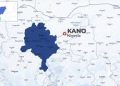
The Catholic Diocese of Kafanchan said the attackers stormed the residence of Rev. Fr. Nathaniel Asuwaye in Kauru Local Government Area at about 3:20 a.m., taking him and other residents. The diocese described the assault as an organized armed raid on the community.
Security details remain contested. While church authorities reported 11 people abducted, police accounts cited by Reuters said five were taken and that those killed included two soldiers and a police officer after a gun battle. The discrepancy reflects the broader challenge of real-time casualty verification in fast-moving attacks.
The Kaduna abduction followed one of the deadliest incidents in recent months: an attack on Woro, Kwara State, where local accounts and media reports put the death toll at around 170, with women and children reportedly kidnapped. The scale of the Kwara killings has intensified national criticism of the government’s ability to contain insurgent and armed-group violence.
Reacting to the worsening insecurity, Pope Leo XIV publicly expressed “sorrow and concern” over the attacks in Nigeria and said he was praying for victims of violence and terrorism. He urged authorities to continue working “with determination” to ensure the safety and protection of every citizen.
The Pope also called on the faithful to keep praying for peace, warning that humanity cannot build its future through economic or military domination alone, but through respect and brotherhood among peoples.
The latest incidents add to evidence of a widening security arc across northern and western Nigeria, where jihadist factions, armed gangs and local criminal networks increasingly overlap. Analysts say restoring public confidence will depend on rapid rescue operations, transparent official reporting, and sustained protection of vulnerable rural communities.