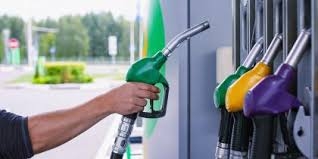
Bamako, Mali — Long, chaotic queues snaked around petrol stations across Bamako on Friday as a deepening fuel shortage sparked public panic and sporadic scuffles, despite government assurances that escorted tanker convoys are on the way.
The Malian armed forces (FAMa) said they are securing routes for fuel trucks to replenish urban depots, but motorists reported many pumps dry and resale prices surging on the informal market. Public transport delays and reduced commercial activity compounded the strain on households already hit by inflation.
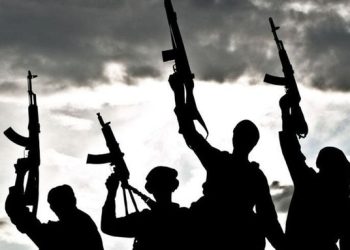
The tangible supply crunch has collided with a more diffuse psychological shock after several Western governments publicly urged their nationals to leave Mali, citing a worsening security climate and recent kidnappings of foreigners. The advisories, widely shared on social media, appeared to accelerate runs on fuel and basic goods.
“The way it was done caused some panic,” journalist Yacouba Doumbia said, arguing that diplomatic channels would have been less inflammatory than public posts that “fueled anxiety.”
Local commentators stressed they do not dispute a state’s right to protect its citizens, but criticized what they see as a one-sided response that heightens fear without offering remedies.
Journalist Daouda Sangaré urged foreign partners to pair warnings with concrete proposals coordinated with Malian authorities. “They should propose a solution to be discussed,” he said, reflecting a broader sentiment that external messaging has outpaced engagement on the underlying security and economic breakdown.
The advisories are viewed domestically as a stark signal of the expanding jihadist threat beyond traditional hotspots, alongside persistent banditry that complicates overland logistics. Authorities say military escorts are meant to keep fuel corridors open, though officials have not provided timelines for normalizing supply.
What to watch
- Fuel flows: How quickly escorted convoys can restock Bamako and whether rationing or price caps are introduced.
- Risk messaging: If foreign missions recalibrate public advisories or increase behind-the-scenes coordination with Malian officials.
- Stability impact: Potential knock-on effects on transport, food prices, and public services should shortages persist.
For many Malians, the dilemma is immediate and inescapable. As one resident put it near a shuttered pump: “We have no other country to go to—we need fuel today and a plan for tomorrow.”