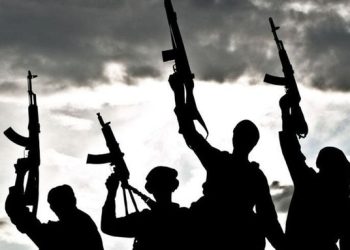
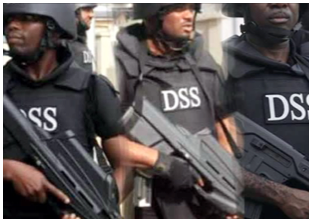
KAIAMA, KWARA STATE — The head of Woro community in Kwara State, Umar Salihu, says gunmen attacked his village and nearby settlements for nearly 10 hours before security forces arrived, in an assault that has become one of the deadliest recent attacks in Nigeria’s North-Central zone.
Speaking on television, Salihu said the attack began around 5 p.m. and continued deep into the night, with troops reportedly arriving around 3 a.m. He said by then the assailants had fled, leaving mass casualties and widespread destruction, including homes and shops set ablaze. Reuters and AP, citing local officials, put the death toll in the Woro–Nuku attacks at around 162–170, while police gave a lower confirmed figure of 75 in an initial statement.
Salihu also said he had earlier passed a threat letter to security authorities, raising concerns about whether intelligence was adequately acted upon. He described the area as highly vulnerable after the withdrawal of a local military post months earlier. His account has intensified public scrutiny of response times and pre-attack prevention measures.
The Defence Headquarters, however, has maintained that troops were promptly deployed after earlier warnings and had conducted patrols in the general area before the incident. Military sources have also pointed to terrain and explosive-threat risks as factors that can delay night movement in remote corridors.
President Bola Tinubu condemned the killings as “cowardly” and announced the deployment of an army battalion under a new mission, Operation Savannah Shield, to reinforce Kaiama and surrounding communities. Amnesty International and other observers have described the episode as a serious security failure, arguing that recurring warnings from residents were not matched by sustained protection on the ground.
The Nigeria Police Force says tactical and intelligence assets have now been sent to Kaiama, with a manhunt under way for the perpetrators. At regional level, African Union Commission Chairperson Mahmoud Ali Youssouf condemned the killings and reiterated the AU’s zero-tolerance stance on terrorism.
The attack underscores a broader security drift long associated with Nigeria’s northeast and northwest, now pressing further into previously less-affected belts. Analysts say the key test is no longer condemnation after attacks, but whether authorities can keep permanent pressure on armed groups, restore rural security presence, and convert early warnings from communities into rapid, preventive action.