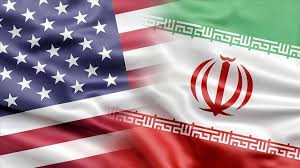
The United States and Iran exchanged fresh fire around the Strait of Hormuz on Wednesday, but President Donald Trump insisted a ceasefire that has technically been in place since April remains intact and said a broader deal with Tehran is still “very possible.” U.S. Central Command said American forces struck Iranian military sites involved in attacks on warships transiting the strait, including missile and drone launch sites, command centers and surveillance infrastructure. CENTCOM added that it does “not seek escalation” but remains ready to defend U.S. forces.
Trump said U.S. forces had destroyed Iranian attackers and warned that if Tehran failed to sign an agreement soon, Washington would respond “a lot harder, and a lot more violently.” Even so, he maintained that the ceasefire was still in effect and said the two sides had held productive contacts over the previous 24 hours. Reuters reported that the White House is still waiting for Iran’s formal response to the latest U.S. proposal.
Iran has not yet accepted the proposal. Its foreign ministry said the U.S. plan remains under review and that Tehran would communicate its final position through mediator Pakistan. Iranian officials have also accused Washington of using military pressure, naval restrictions and media tactics to force what they describe as the country’s surrender.
The latest confrontation unfolded alongside rising tension at sea. Reuters reported earlier this week that Iran has created a new mechanism to manage vessel transit through the Strait of Hormuz and warned that commercial ships would need to coordinate passage with its military. That move has added to uncertainty over one of the world’s most important oil chokepoints, through which roughly one-fifth of global oil and gas supply normally passes.
Despite the flare-up, negotiations have not collapsed. Reuters and the Associated Press both reported that Washington still sees a diplomatic path forward, even as the conflict tests the durability of the truce and the stability of global energy markets.