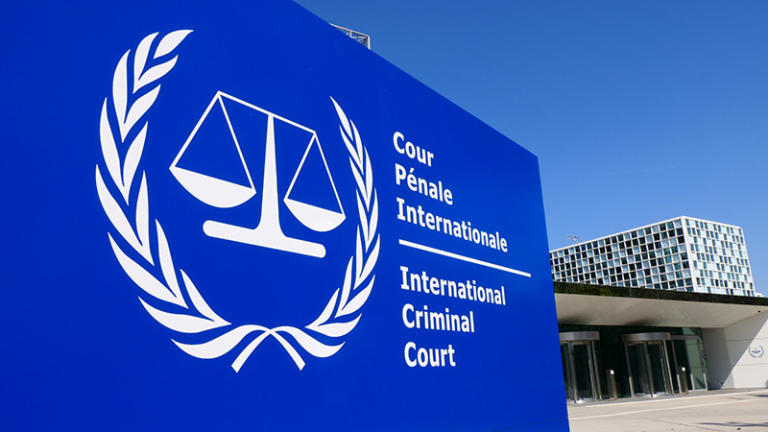
Prosecutors at the International Criminal Court have accused former Libyan prison official Khaled Mohamed Ali El Hishri of overseeing a brutal system of torture, rape, enslavement and persecution at Mitiga prison in Tripoli.
El Hishri appeared before ICC judges in The Hague for a confirmation-of-charges hearing, a pretrial process that will determine whether there is enough evidence for the case to proceed to full trial. He is accused of 17 counts of war crimes and crimes against humanity allegedly committed at Mitiga between 2014 and 2020.
Prosecutors described El Hishri as a feared senior commander who exercised significant control over detainees, especially in the women’s section of the prison. They alleged that he personally took part in interrogations, torture and sexual violence, and that detainees were subjected to an “institutionalised system of violence.”
The charges include torture, rape, sexual violence, murder, attempted murder, imprisonment, enslavement, persecution, cruel treatment and outrages upon personal dignity. Human Rights Watch said the hearing is a landmark moment for victims of serious crimes in Libya and a long-awaited step toward accountability.
Mitiga prison has long been associated with abuses against detainees, migrants and refugees during Libya’s post-2011 instability. Prosecutors say thousands of civilians were held there under conditions marked by physical, psychological and sexual abuse.
Fifty-four victims have been authorised to participate in the proceedings, including former detainees now living as refugees in Europe. Among them are survivors who have described years of imprisonment, beatings and abuse while trying to flee conflict and reach safety through Libya.
The case is the first Libya-related ICC prosecution to reach a courtroom since the court opened its investigation into crimes committed after the fall of Muammar Gaddafi. Libya is not a member of the ICC, but the United Nations Security Council referred the situation in Libya to the court in 2011.
Judges will now decide whether the evidence meets the threshold for trial. For survivors of Mitiga and Libya’s wider detention system, the hearing represents a rare opportunity to seek justice for abuses that rights groups say have gone unpunished for years.