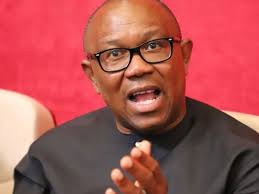
Peter Obi has challenged President Bola Tinubu’s intention to seek another term in 2027, arguing that Nigeria needs a different kind of leadership to tackle the country’s worsening economic and security problems.
Obi, who is now associated with the Nigeria Democratic Congress (NDC), said the demands of the presidency require sufficient energy and commitment, questioning whether Tinubu remains capable of shouldering another four years in office.
His remarks, reported by Channels Television on November 23, 2026, have brought renewed attention to the growing political disagreement between the opposition figure and the president.
The former Anambra State governor had previously questioned Tinubu’s ability to govern during an appearance on Channels Television’s Sunday Politics. He used the interview to contrast the president’s record as Lagos governor with his performance at the national level.
Obi argued that the Tinubu who governed Lagos was not the same person Nigerians currently have as president, suggesting that the responsibilities of the office had become too demanding for him.
“The Bola Tinubu that was governor is not the one that is president today. He’s tired. He should be allowed to retire in peace and then go home,” Obi said.
He also maintained that the 2027 presidential contest should focus on the country’s problems rather than the desire of political officeholders to remain in power.
Among the issues he raised were widespread poverty, hunger, insecurity, inadequate healthcare and the number of Nigerian children who remain outside the formal education system.
Obi further referred to statistics attributed to the World Bank and the World Food Programme, drawing attention to the scale of poverty and food insecurity in the country.
He argued that these conditions required urgent government intervention, adding that economic difficulties could worsen security challenges when large numbers of people struggle to meet their basic needs.
In his view, greater investment in education, social services and poverty reduction should form part of the response to Nigeria’s difficulties.
Obi has also questioned the way the president communicates with Nigerians, arguing that citizens deserve more direct engagement from the country’s leadership on important national issues.
His latest criticism comes as political figures and parties begin positioning themselves for the 2027 general election. The president’s potential second-term bid is expected to remain a major subject of political debate.
However, Obi’s description of Tinubu as tired and physically unfit represents his personal political assessment. It should not be interpreted as an independently verified medical conclusion about the president.
For Obi, the central issue is whether the country should continue with its present leadership or embrace a different approach to governance. His remarks make clear that he favours a change when Nigerians return to the polls in 2027.