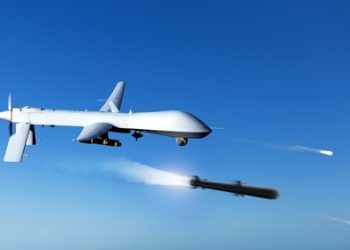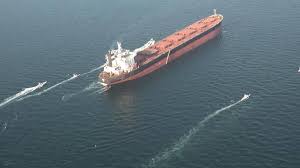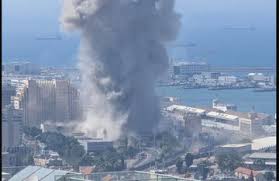
The United States said it intercepted multiple Iranian ballistic missiles and drones launched towards the Gulf and the Strait of Hormuz, in the latest exchange threatening a fragile ceasefire between Washington and Tehran.
US Central Command said seven Iranian ballistic missiles were fired late Friday towards Kuwait and Bahrain, both of which host American military facilities. Six of the missiles were intercepted, while a seventh failed to reach its target, CENTCOM said. Earlier, US forces also shot down four Iranian attack drones launched towards the Strait of Hormuz, a key waterway for global energy shipments.
The confrontation followed US strikes on Iranian coastal surveillance radar sites in Goruk and on Qeshm Island. Washington said the radar facilities were targeted in self-defence after Iranian drones posed a threat to maritime traffic in the Strait of Hormuz.
Iran’s Islamic Revolutionary Guard Corps said it carried out the missile and drone attacks in retaliation for what it described as illegal US military action in the Gulf. The IRGC claimed the clash began when US forces attempted to escort oil tankers through the Strait of Hormuz without coordination with Iranian authorities.
Iran’s Foreign Ministry condemned the US strikes as a “flagrant” violation of the ceasefire in place since April, accusing Washington of endangering regional security and undermining diplomatic efforts. Tehran said the US would bear responsibility for any further escalation.
Kuwait and Bahrain condemned the Iranian launches, describing them as violations of their sovereignty and threats to regional stability. Egypt, Jordan and Qatar also issued statements criticising the attacks.
The latest exchange comes as the United States and Iran continue indirect negotiations aimed at extending the ceasefire and reaching an interim agreement to reduce tensions. Iran is seeking sanctions waivers, access to frozen assets and relief from restrictions on its ports, while Washington has demanded the reopening of the Strait of Hormuz and concessions on Tehran’s nuclear programme. Reuters reported this week that Iran was considering a limited deal to relieve economic pressure while avoiding broader nuclear concessions.
The fighting has placed Gulf states in an increasingly difficult position, with regional economies exposed to disruptions in shipping, energy exports and insurance markets. The Strait of Hormuz remains one of the world’s most important oil transit routes, and any prolonged closure or military confrontation there could have global economic consequences.
Analysts warn that each round of retaliation hardens political and military positions, making a negotiated settlement more difficult. The latest incident suggests that, despite ongoing diplomacy, the US-Iran ceasefire remains vulnerable to sudden escalation.