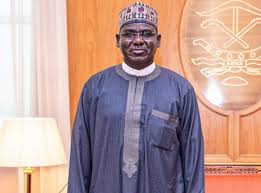
ABUJA, Nigeria — Former Chief of Army Staff, Lt.-Gen. Tukur Buratai, has alleged that some politicians are benefiting from Nigeria’s persistent insecurity, warning that the country’s security crisis cannot be solved by military force alone.
Buratai said insecurity in Nigeria has become deeply political, with some actors allegedly exploiting terrorism, banditry and kidnappings for personal or electoral advantage. He made the remarks while commenting on rising attacks, including school abductions and violence in rural communities.
“Unfortunately, the plain truth is that some politicians benefit from the activities of these terrorists,” Buratai said, adding that insecurity often worsens during political transitions when security planning, funding and coordination may be disrupted.
The former army chief said criminal groups thrive most in remote communities where state presence is weak and residents feel abandoned. He argued that some political actors take advantage of such conditions to manipulate fear, influence communities or undermine rivals.
Buratai, who led the Nigerian Army during the height of the Boko Haram insurgency in the North-East, said the military cannot by itself end insecurity unless political leaders, traditional institutions, communities and economic agencies address the root causes. He had made a similar argument in an earlier interview, saying Nigeria’s insecurity is largely a political problem that has been left for the military to resolve.
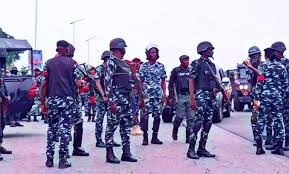
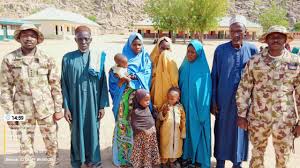
His comments come amid renewed public concern over kidnappings, bandit attacks, school abductions and terrorist activity across several regions. While the North-East continues to face threats from Boko Haram and ISWAP, the North-West and North-Central have been hit by armed gangs involved in mass abductions, cattle rustling and village raids.
Buratai called for stronger intelligence gathering, improved local governance and a more coordinated national response. He said political will was essential to stopping criminal networks that rely on weak institutions, poverty, local grievances and community fear.
The allegation is likely to generate debate, particularly because it touches on a long-standing public suspicion that insecurity in some areas may be enabled by powerful interests. However, Buratai did not publicly name any politician or provide specific evidence linking individuals to terrorist or bandit groups.
Security analysts have repeatedly warned that Nigeria’s insecurity is sustained by a mix of weak law enforcement, porous borders, illegal arms flows, ransom payments, unemployment and political patronage networks.
For Buratai, the message was clear: unless Nigeria confronts the political and social foundations of insecurity, military operations alone will not deliver lasting peace.