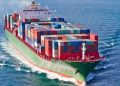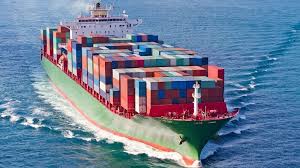
Thousands of seafarers remain stranded on commercial vessels in and around the Strait of Hormuz, as renewed U.S.-Iran clashes undermine a fragile ceasefire and prolong one of the most serious maritime crises in decades.
Among those trapped is an Indian seafarer identified by the pseudonym Anish, who told Al Jazeera he has been stuck aboard a cargo ship near Iran for nearly 10 weeks. He said he arrived in the Shatt al-Arab waterway shortly before U.S. President Donald Trump launched “Operation Epic Fury” on February 28 and has since witnessed missiles, drones and the disruption of normal shipping routes.
The International Maritime Organization has described the situation as unprecedented in the post-World War II era, with about 20,000 seafarers stranded after Iran’s effective shutdown of the Strait of Hormuz. The waterway normally carries about one-fifth of global oil and gas supplies and is critical to international shipping.
The IMO said it had verified 29 attacks on vessels in the Persian Gulf and around the Strait of Hormuz since the conflict began, causing at least 10 seafarer deaths and damaging multiple ships. It has urged all parties to establish a safe-passage framework for civilian crews and commercial vessels.
The crisis has continued despite a ceasefire announced in April. Iran accused the United States on Thursday of violating the truce by targeting an Iranian oil tanker and another vessel near the strait, while Washington said its forces acted after U.S. warships came under attack from Iranian missiles, drones and small boats.
For stranded crews, the conflict has created a humanitarian emergency. Labour groups say some seafarers are running low on food, water and wages, while others cannot leave because replacement crews are unavailable or agents have withheld payment. The International Transport Workers’ Federation has warned that smaller vessels, often operating outside strong union protections, face the greatest risk of abandonment.
Under the Maritime Labour Convention, seafarers generally cannot be required to serve on board beyond 12 months, but unstable security conditions, disrupted flights and blocked maritime routes have complicated repatriation.
Even if the strait fully reopens, shipping experts warn that normal trade may take weeks to recover because of damaged infrastructure, congestion, security checks and uncertainty over sea mines.
For workers like Anish, the conflict is no longer an abstract geopolitical confrontation. It is a daily struggle for safety, payment and a route home.