Mexico’s government is facing a major political and diplomatic test after U.S. prosecutors indicted Sinaloa Governor Rubén Rocha Moya and other officials over alleged links to the Sinaloa Cartel, prompting accusations that Mexico has shifted its extradition standards in response to a case involving a senior ruling-party figure.
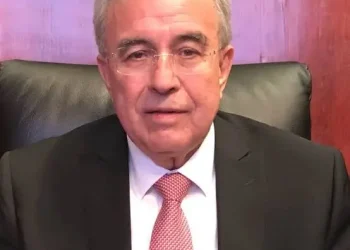
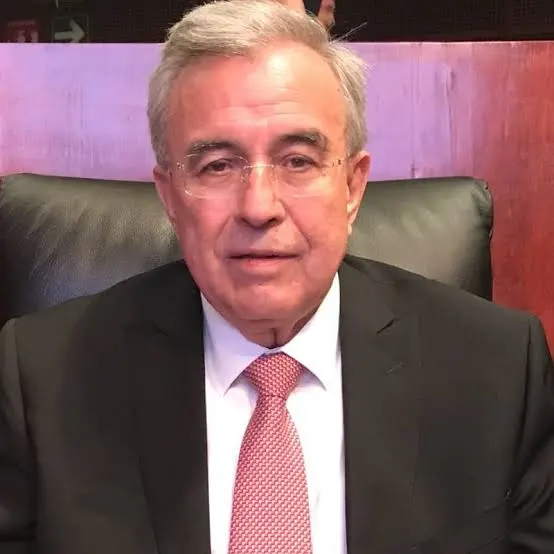
The U.S. Justice Department unsealed charges in late April accusing Rocha, Culiacán Mayor Juan de Dios Gámez Mendívil and other current and former officials of conspiring with the Sinaloa Cartel to facilitate drug trafficking into the United States. Prosecutors alleged that Rocha’s 2021 election benefited from support by “Los Chapitos,” the faction led by sons of Joaquín “El Chapo” Guzmán, in exchange for political protection and influence. Rocha has denied wrongdoing and described the allegations as politically motivated.
Following the indictment, Mexican President Claudia Sheinbaum said Washington would need to provide “clear evidence” before Mexico acted on any extradition request. She argued that accusations alone were not enough and stressed that Mexican authorities would review the case through domestic legal channels. Her position has drawn scrutiny because Mexico has previously moved quickly on several high-profile extraditions, especially involving cartel figures wanted by U.S. courts.
Rocha later temporarily stepped down while Mexican authorities examined the allegations, and Sinaloa’s Congress appointed Yeraldine Bonilla Valverde as interim governor. The move removed a major layer of political immunity but did not automatically clear the way for extradition. Mexican authorities have said any arrest or transfer would depend on legal review and sufficient evidence.
The case has opened a rift inside the ruling Morena party. Reuters reported that one faction, aligned with former President Andrés Manuel López Obrador, opposes extradition and views the case as a sovereignty issue, while reformist figures see the indictment as an opportunity to confront corruption more aggressively.
The controversy comes as U.S.-Mexico security cooperation is under strain. President Donald Trump’s administration has intensified pressure on Mexico over fentanyl trafficking and cartel violence, while Sheinbaum has sought to avoid appearing subordinate to Washington.
Whether Mexico ultimately extradites Rocha may become a defining test of Sheinbaum’s anti-corruption promises. For critics, demanding a higher evidentiary threshold after a politically powerful ally is indicted looks like moving the goalposts. For the government, it is a question of due process, sovereignty and ensuring that U.S. prosecutors prove their case before Mexico hands over one of its most senior elected officials.