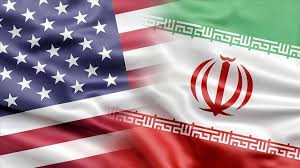
Iran is not currently planning to attend a new round of talks with the United States expected in Pakistan on Monday, state-linked media reported, casting fresh doubt over diplomatic efforts just days before a fragile Middle East ceasefire is due to expire. Reuters, citing Iran’s Tasnim news agency, reported on Saturday that Tehran had made no decision to send a negotiating delegation because of the continuing U.S. naval blockade.
Iranian media said the atmosphere for talks remained poor, with lifting the U.S. blockade emerging as a key precondition for any renewed negotiation. State news agency IRNA said there was “no clear prospect of fruitful negotiations” under current conditions, pointing both to Washington’s “unreasonable and unrealistic demands” and to the ongoing pressure on Iranian shipping. Reuters separately reported that Tehran sees the blockade as a major obstacle and has warned it will not negotiate under coercion.
The diplomatic uncertainty deepened after President Donald Trump said U.S. negotiators would still head to Islamabad and renewed his public push for an agreement. Reuters reported that Trump said Washington was offering Iran a “very fair and reasonable” deal, while also warning of consequences if Tehran rejected it. But those remarks were overshadowed by a sharp escalation at sea after the United States seized an Iranian cargo ship that it said had tried to breach the blockade.
That incident appears to have further eroded trust. Reuters reported on Sunday that the U.S. military intercepted the Iranian-flagged cargo vessel near Bandar Abbas, prompting Tehran to vow retaliation and raising fears that the already shaky ceasefire could unravel. The episode fits into a wider maritime standoff in and around the Strait of Hormuz, where Iran had briefly allowed limited commercial passage before shutting the waterway again after accusing the United States of violating the spirit of de-escalation.
Iran has also restated that its nuclear programme remains peaceful and that any future deal must respect what it calls its non-negotiable right to peaceful nuclear energy, including enrichment based on national needs. Reuters reported on April 18 that Iranian officials said no date had been fixed for the next talks and that major differences remained over nuclear issues and the framework for any understanding.
With the ceasefire nearing its expiry, the chances of meaningful progress now appear increasingly uncertain. Pakistan has continued mediation efforts, but Tehran’s reluctance to attend, combined with U.S. military pressure at sea, suggests that diplomacy is again colliding with events on the ground — and on the water.